
★★★★★ Rated 5.0 on Google · 302 reviews across our clinic and doctors
Prolotherapy & Regenerative Injectionsin South Tempe, AZ
Prolotherapy, A2M, PRP, prolozone, perineural injection therapy, homeopathic injections and biologics sourced from an FDA-registered tissue bank, for joint, tendon, ligament and nerve pain, matched to the tissue by a licensed naturopathic physician. Including a straight answer about what the evidence supports. Serving South Tempe, Ahwatukee, Chandler, Mesa, Gilbert, Scottsdale & Phoenix.
Medically reviewed by Dr. Scott Maymon, ND, MPH & Dr. Sarah Stone, ND · September 2026

Naturopathic Physician
Dr. Scott Maymon, ND, MPH
Caring for the Valley since 2015, with root-cause functional medicine for hormones, regenerative therapies, pain, and men’s health.
- AZ Naturopathic License #15-1497
- Doctorate, SCNM / Sonoran University (Tempe) · MPH, University of Louisville
- Focus: hormones, regenerative injections, men’s health

Naturopathic Physician
Dr. Sarah Stone, ND
Caring for the Valley since 2015, partnering with patients to treat the root cause across hormones, regenerative therapies, aesthetics, and whole-person wellness.
- AZ Naturopathic License #15-1496
- Doctorate, SCNM / Sonoran University (Tempe) · B.S. Psychology, USF
- Focus: hormones, regenerative therapies, aesthetics, autoimmune
Two licensed NDsinjected by a physician
Many injection optionsmatched to the tissue
Free consultation beforeyou commit
5.0 star rating302 Google reviews, clinic + doctors
Regenerative injections treat joint, tendon, ligament and nerve pain by injecting a substance that prompts your body's own repair response, rather than masking pain the way a cortisone shot does. Pure Body Health offers a range of options, matched to your tissue by a licensed naturopathic physician: prolotherapy (concentrated dextrose), A2M (alpha-2-macroglobulin, a protein that binds cartilage-degrading enzymes), PRP (platelets concentrated from your own blood), prolozone (dextrose plus ozone), perineural injection therapy for irritated nerves, homeopathic injections, and biologic products sourced from an FDA-registered, licensed tissue bank.
Which one suits you depends on the tissue involved and what has already been tried, and part of the job is saying when none of them is the right answer. Most people need a short series rather than a single injection, and a little more soreness for a few days is a normal part of how they work. How much the research supports each option varies, results vary from person to person, and your provider will walk you through where things stand for your situation and when a different path, including surgery, is the better call.
▶Physician-reviewed
Injected by a physician, not a technician.
Regenerative injections here are performed by Dr. Scott Maymon, ND, MPH (AZ Naturopathic License #15-1497), whose clinical focus includes regenerative injections and pain, alongside Dr. Sarah Stone, ND (AZ Naturopathic License #15-1496). Placement is the whole treatment. The same substance injected into the wrong area can lead to less-than-ideal results, which is why examination, imaging review and anatomy matter just as much as the product being injected. Both physicians carry Arizona license numbers you can verify.

▶What it is
Provoke repair, don't just quiet pain.
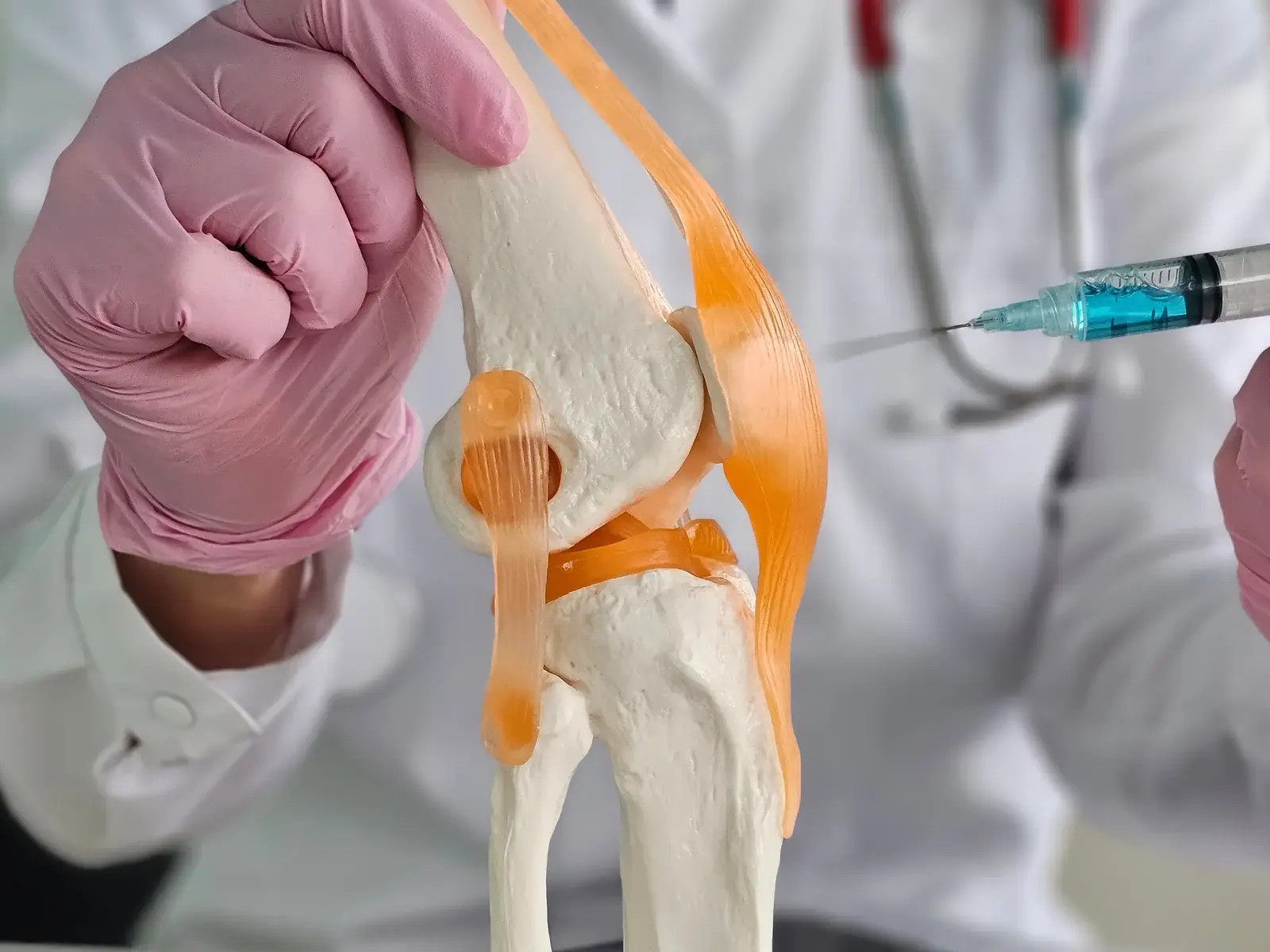
A corticosteroid injection suppresses inflammation, which reduces pain. A regenerative injection works the other way round: it deliberately provokes a controlled inflammatory response, because inflammation is the first stage of tissue repair. That difference in mechanism explains almost everything else about these treatments, including why they can make you sore before they help.
It also explains the timeline. Cortisone often works within days and then wears off. Regenerative injections are assessed over weeks to a few months, because you are waiting on tissue to remodel rather than on a drug to take effect.
Cortisone has a genuine place, particularly when pain needs to come down quickly so that rehabilitation can start. What it does not do is repair the tissue. Repeated cortisone injections can actually break down cartilage and weaken the surrounding tendons and ligaments over time, which is why a joint that needs three shots a year is usually telling you something the cortisone is not addressing.
The substance injected differs by treatment: dextrose, dextrose with ozone, your own concentrated platelets, or a dilute solution placed along an irritated nerve. What they share is the intent: give the tissue a reason to repair, in the right place, and then leave it alone long enough to do so.
A cortisone injection reduces inflammation and quiets pain. A regenerative injection aims to provoke repair in the tissue itself. Both have a place, but they are not the same treatment, and they should not be sold as interchangeable.
▶Is this you?
Reasons people come in.
- Knee pain that limits what you do
- Hip pain, especially at night
- An old rotator cuff injury
- Tennis or golfer's elbow
- Chronic low back pain
- An ankle that keeps giving way
- Burning or shooting nerve pain
- Arthritis pain in a joint
- "The cortisone wore off"
- Told surgery is the next step
▶The options
What each one is, and which is for what.
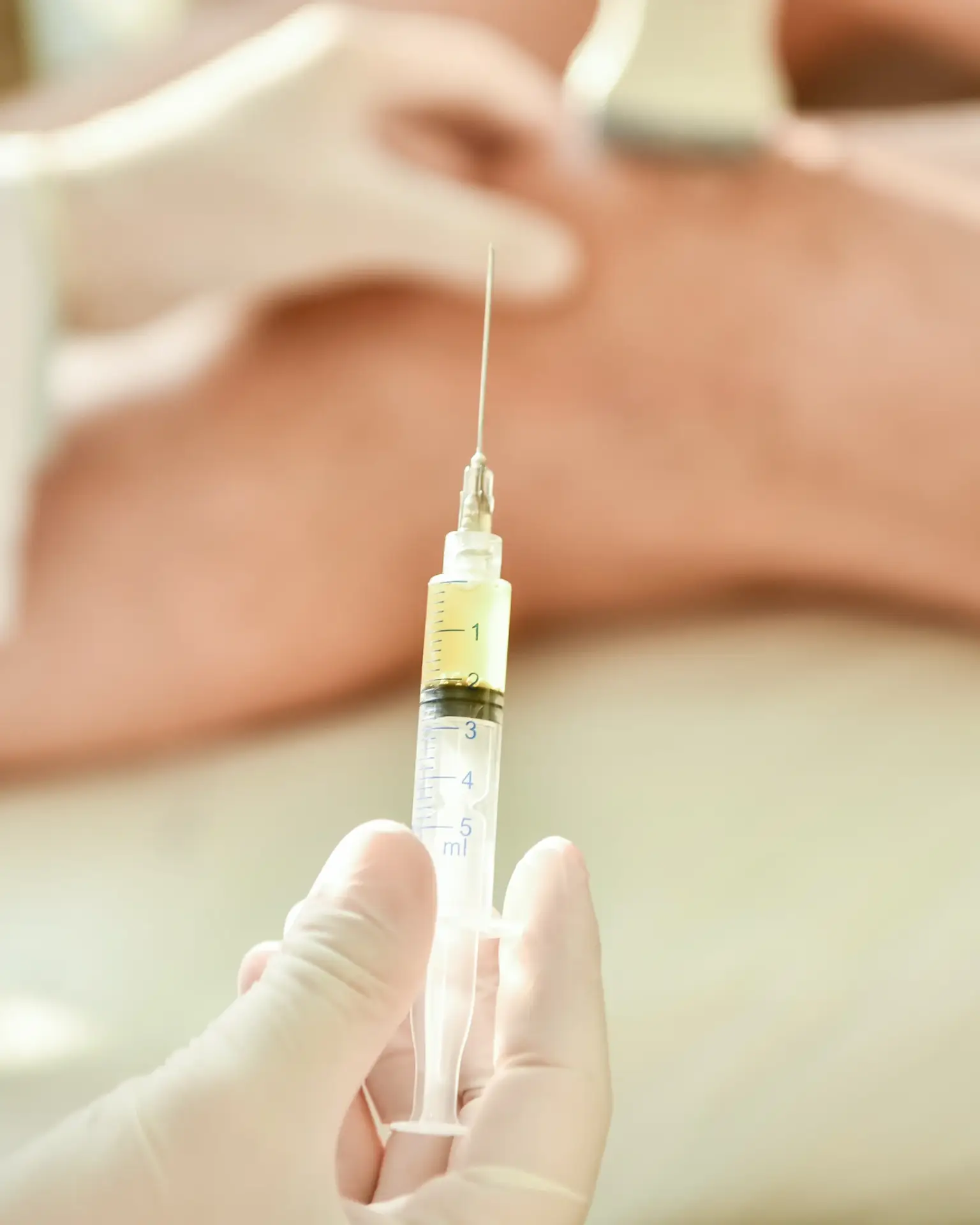
These injections work in different ways and suit different problems, which is why we offer a range of them: the aim is to match the treatment to your tissue and your goals, not to fit you to whatever a clinic happens to have. Here is what each one is, the kind of injury it tends to suit, and what the research behind it looks like, so you and your provider can weigh them together.
Prolotherapy
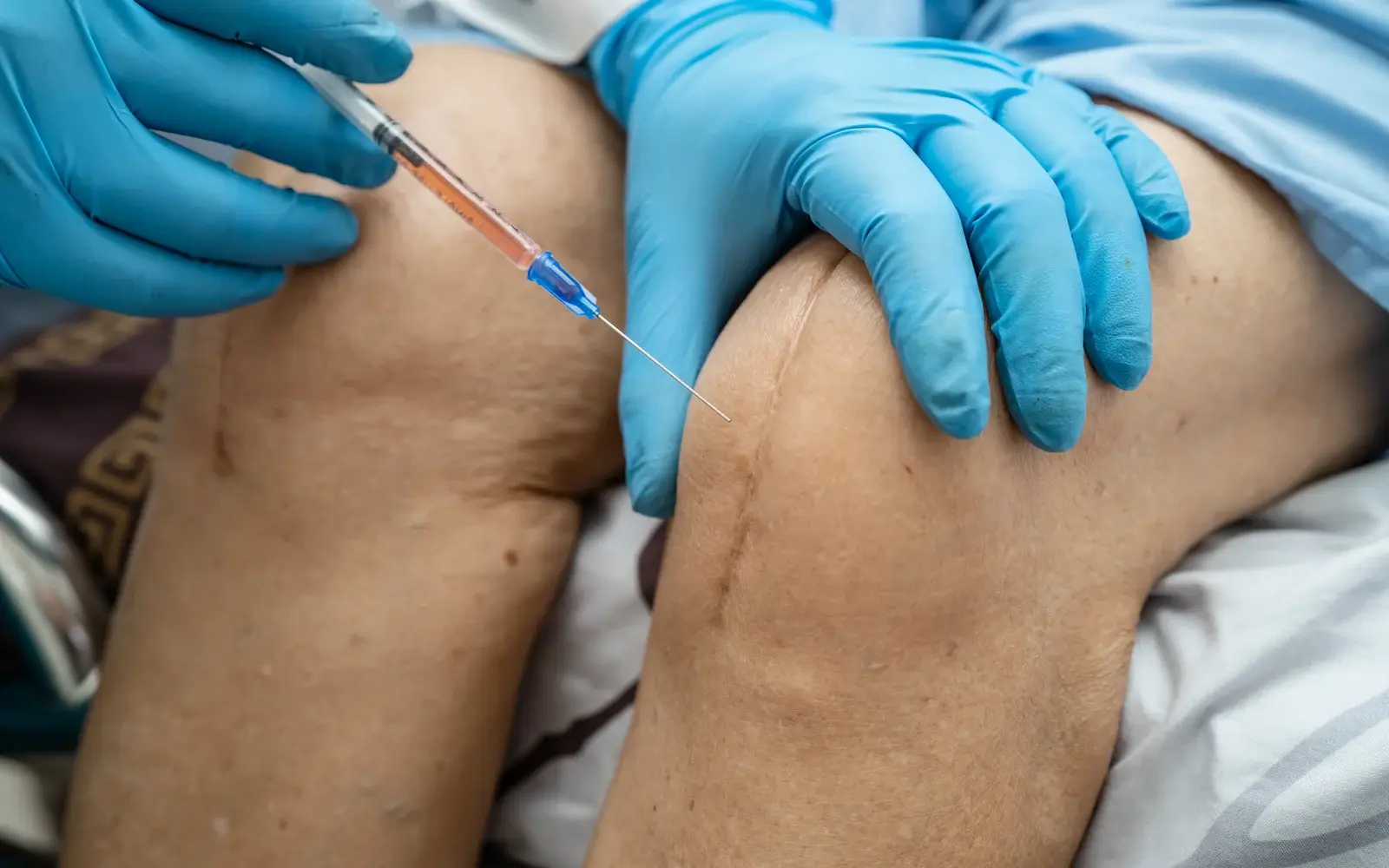
A concentrated dextrose solution is injected at the site to prompt a natural, controlled repair response in the tissue. It is the longest-established of these options and is most often used for ligament and tendon laxity and the joint instability that can follow injury or overuse. It is straightforward and among the most affordable per session. Because it works gradually with your body's own healing rather than all at once, it is usually given as a short series of visits, and your provider maps out a realistic number with you up front.
A2M (alpha-2-macroglobulin)
A2M is a large protein your body already makes that can bind and clear some of the enzymes (called MMPs) that break down cartilage. Prepared from a concentrated sample of your own blood and injected into an arthritic joint, the aim is to protect cartilage rather than to numb pain. It is one of the newest options and the most preclinical: much of the encouraging work so far comes from laboratory and animal studies, and one head-to-head human study found it no better than PRP, so we describe it honestly as promising and still emerging, and your provider will tell you where the evidence stands before you choose it.
PRP (platelet-rich plasma)
PRP is made from your own blood: a small volume is drawn and spun in a centrifuge to concentrate the platelets and the growth factors they carry, which are then injected into the tissue. It is the best-studied of these options for orthopedic use, with the most research behind it for knee osteoarthritis and certain tendon problems. The draw and processing make it a bit more involved per session, and the systems used to prepare it are FDA-cleared for that preparation. Using your own platelets this way for joints and tendons is considered off-label, which is a routine, lawful part of everyday medical practice; you can read more in our FDA section below.
Prolozone
Prolozone builds on prolotherapy by adding medical ozone to the injection, with the aim of supporting local oxygen use and giving the repair response an added stimulus. Providers reach for it when they want to pair the tissue-repair rationale of prolotherapy with ozone's oxygenating effect. It is worth knowing where the science sits: the published human research on ozone for this use is more limited and earlier-stage than the research behind prolotherapy or PRP, so we treat it as a reasonable complementary option rather than a proven standalone, and your provider will talk you through that before you choose it.
Perineural injection therapy
Perineural injection therapy takes a different aim: a dilute dextrose solution is placed just under the skin along irritated superficial nerves rather than into a joint, targeting nerve-driven pain, burning and sensitivity. Sessions are brief and, early on, are often repeated at close intervals. The research base here is younger and smaller than PRP's, which makes it a promising option rather than a fully settled one; it is frequently used alongside the other approaches rather than on its own.
Homeopathic injections
Low-dose homeopathic formulas injected into or around painful soft tissue and joints, often used on their own for milder complaints or alongside the other injections to support comfort and recovery. They are gentle and well tolerated, and they are worth describing honestly: homeopathic injectables are not FDA-approved to treat any condition and the research behind them is limited, so your physician will explain where they fit in your plan before you choose them.
Biologics from an FDA-registered tissue bank
For some patients, your physician may discuss biologic products that contain growth factors and, depending on the product, cellular components. We source these from Platinum Biologics, an FDA-registered, multi-state licensed tissue bank that processes perinatal-derived tissue in a cGMP facility following FDA regulations and American Association of Tissue Banks guidelines. These products are not FDA-approved to treat any disease or condition, the evidence is still developing, and candidacy is decided at consultation.
Not sure which one?
Most people arrive asking for the one they read about, and it is frequently not the one their examination points to. Choosing between these is the actual clinical work; the injection itself takes minutes. Start with a consultation and let the doctor examine the joint first.
Looking for PRP for something else?
PRP is also used outside orthopedics. For the face, see PRP facial treatments; for thinning hair, see hair loss treatments; for sexual health, see men's health or women's health. This page covers joints, tendons, ligaments and nerves.
Which injection is appropriate for you, and whether any is, is determined by a provider at consultation following examination. A series is usually needed, individual results vary, and these treatments are not intended to diagnose, treat, prevent, or cure any disease.
▶Why it matters
Why some injuries don't fully heal.
Ligaments, tendons and joint cartilage have a poor blood supply, so after an injury they often do not get the signals and nutrients they need to fully repair. Muscle, which is rich in blood flow, tends to recover well. The low-blood-flow tissues can instead settle into slow breakdown rather than real repair, which shows up as looseness, joint instability and nerve-driven pain, and over time can add to wear in the joint.
Regenerative injections aim to interrupt that pattern. Instead of masking pain, they place a signal or a nutrient where the tissue has stalled, with the goal of restarting your body's own repair process. That repair, when it works, moves through a few overlapping stages.
01
A controlled repair signal
A brief, deliberate bit of inflammation is not the problem here; it is the start of healing. It calls in the cells that clear damaged debris and set repair in motion.
02
New tissue framework
Repair cells (fibroblasts) respond by laying down fresh connective-tissue scaffolding to rebuild what was worn or torn.
03
Restored blood supply
Tiny new blood vessels grow into the area, bringing back the oxygen and nutrients that low-flow tissue was missing.
04
Stronger, matured tissue
Over weeks to months the new tissue matures into stronger fibers, and guided movement helps it line up along the directions it actually has to work.
This describes the general biology these injections are designed to support, not a promised result. Whether any injection is right for you is decided by a provider after examination.
▶The science
How each injection works, and the research behind it.
For patients who want the mechanism, here is what each injection is made of, what it is thought to do in the tissue, and what the published research shows. The science below is the rationale for each treatment. Where the evidence is strong we say so, and where it is early or mixed we say that too. Numbered references are listed at the end of the page.
Alpha-2-macroglobulin (A2M): calming joint breakdown
How it works. Alpha-2-macroglobulin (A2M) is a large plasma protein your body makes in the liver and carries in the blood. It acts as a broad, natural inhibitor of several cartilage-degrading enzymes, in particular the matrix metalloproteinases (MMPs), and it can bind some of the inflammatory signals (such as IL-1β and TNF-α) involved in osteoarthritis. Concentrated from a sample of your own blood and injected into an arthritic joint, the idea is to lower the level of those breakdown enzymes inside the joint. Because it is meant to trap destructive enzymes while leaving your own healing signals working, A2M is described as chondroprotective (cartilage-protecting) rather than catabolic (tissue-degrading) the way repeated cortisone can be.
The evidence. The A2M research is still early and largely preclinical. Wang and colleagues (2014) identified A2M as a master inhibitor of cartilage-degrading factors that slowed post-traumatic osteoarthritis in a laboratory model [1], and Scuderi and Cuéllar (2016) described it as a protease-inhibitor approach for osteoarthritis and discogenic pain [2]. Human data are limited, and one head-to-head study found A2M no better than PRP, so we present it as a promising, still-emerging option rather than a proven one.
Platelet-rich plasma (PRP)
How it works. PRP is made by drawing a small sample of your blood and spinning it in a centrifuge to concentrate the platelets, typically to several times their normal level, in a small volume of plasma. Platelets carry growth factors, including PDGF, TGF-β, VEGF and IGF-1, that play a part in tissue repair and blood-vessel formation. Two preparations are used for different problems: leukocyte-rich PRP, which keeps some white blood cells and is often chosen for stubborn chronic tendon problems such as tennis elbow or Achilles tendinosis; and leukocyte-poor PRP, which reduces white blood cells and is generally preferred inside joints such as the knee or hip to limit post-injection flare.
The evidence. PRP is the best-studied of these injections. A double-blind randomized controlled trial by Tuakli-Wosornu and colleagues (2016) reported improvements in pain and function after intradiscal PRP for discogenic low back pain [3], and a 2026 AAPM&R guidance statement reviewed the evidence and supports PRP as an option for knee osteoarthritis, its most-studied use [4]. Results still vary between people and between conditions.
Dextrose prolotherapy
How it works. Dextrose prolotherapy uses a concentrated medical sugar solution (commonly 12.5% to 25% dextrose) mixed with a local anesthetic. Injected into a lax ligament or a worn tendon, the concentrated dextrose is thought to create a brief, controlled irritation that signals local repair cells (macrophages and fibroblasts) to lay down fresh collagen, with the goal of tightening the ligament and improving joint stability.
The evidence. A 2021 systematic review and meta-analysis in the Journal of Clinical Orthopaedics and Trauma reported statistically significant pain reduction and functional improvement for hypertonic dextrose prolotherapy in knee osteoarthritis compared with placebo [5], and a U.S. Department of Veterans Affairs Evidence Synthesis Program review examined dextrose prolotherapy for chronic musculoskeletal pain [6]. The literature is stronger for some uses, such as knee osteoarthritis, than for others.
Prolozone (dextrose with medical ozone)
How it works. Prolozone combines a dextrose solution, sometimes with vitamins and minerals, followed by an injection of a small, measured amount of medical ozone gas. Ozone is used to deliver a brief oxidative signal that is proposed to support the local healing response and tissue oxygen use. The deeper cellular mechanisms often described for ozone are proposed rather than settled, so we hold them lightly.
The evidence. The human research on ozone for this use is more limited than for prolotherapy or PRP. A 2021 randomized clinical trial reported that ozone prolotherapy reduced pain and improved function in knee osteoarthritis compared with a control injection [7], but the overall evidence base is smaller, and we treat prolozone as a reasonable complementary option rather than a proven standalone.
Perineural injection therapy (PIT)
How it works. Perineural injection therapy (PIT), developed by Dr. John Lyftogt, targets pain coming from irritated superficial sensory nerves. A dilute 5% dextrose solution (D5W) is placed just beneath the skin along the path of the affected nerve. It is thought to act on nerve-membrane receptors (including TRPV1) to calm the pain signaling and settle the surrounding irritation.
The evidence. The evidence base is younger and smaller than PRP's. Lyftogt's early work (2007) reported pain relief with subcutaneous dextrose injections near irritated nerves [8], and a 2018 randomized double-blind trial in Annals of Neurology found 5% dextrose perineural injection helpful for carpal tunnel syndrome compared with a steroid injection [9]. We describe PIT as promising rather than established, and it is often used alongside the other approaches.
Mechanisms describe how a treatment is thought to work, not a promised result. The strength of the evidence differs by treatment and by condition, individual results vary, and whether any injection is right for you is decided by a provider after examination.
▶Versus cortisone
How these differ from a cortisone shot.
A cortisone shot lowers inflammation to quiet pain quickly, while regenerative injections aim at the tissue repair itself, which is why they work more slowly. Both have a place; they are not the same treatment, and they should not be chosen interchangeably.
This table is a general guide, not a recommendation, and not medical advice about your current medications. Cortisone has genuine uses, particularly when pain needs to come down quickly. Individual results vary, no outcome is guaranteed, and your provider will help you weigh the options for your situation. Never stop or change a prescribed medication on your own.
▶Prolotherapy vs PRP
How prolotherapy and PRP compare.
Both aim to provoke repair. They differ in what is injected, what they suit, what they cost and how many sessions you need.
This table is a general guide, not a recommendation. The right choice depends on your examination, your imaging and your history, and is decided with a provider. Individual results vary and no outcome is guaranteed.
▶FDA status
Is PRP FDA-approved?
Platelet-rich plasma (PRP) is prepared using FDA-cleared processing systems, including the EmCyte system used at Pure Body Health. However, there is currently no FDA approval for PRP injections to treat orthopedic conditions such as arthritis or tendon injuries.
This distinction is important because FDA clearance of the equipment used to prepare PRP is different from FDA approval of a specific medical treatment. While PRP has been studied extensively for many musculoskeletal conditions and may be appropriate in carefully selected patients, results vary and no treatment can be guaranteed.
Our physicians believe patients deserve an honest discussion of the current evidence, expected outcomes, risks, alternatives, and whether PRP is an appropriate option for their individual condition.
▶By area
Where these injections are used.
Different joints respond differently, and it is worth knowing that before you book rather than afterward.
Knee
The most common request and the best-studied application, particularly PRP in mild to moderate osteoarthritis. Response is generally better earlier in the disease. In advanced degeneration, where the structural loss is substantial, an injection is unlikely to reach the problem and we will say so.
Hip
Treated for osteoarthritis pain and for tendon problems around the joint such as gluteal tendinopathy. The hip is deeper than the knee, so accurate placement matters more and expectations should be set individually.
Shoulder and elbow
Rotator cuff tendinopathy, tennis elbow and golfer's elbow are among the more common tendon presentations we see. Chronic tendon problems that have not settled with rest and rehabilitation are a reasonable place to consider these injections; a complete tear is not.
Spine, low back and SI joint
Used for ligament laxity and the joint pain that follows it, including the sacroiliac (SI) joint, rather than for disc pathology or nerve compression. If your examination or imaging points to a disc or a compressed nerve root, that is a different problem and needs a different pathway.
Foot and ankle
Plantar fasciopathy, chronic ankle instability after repeated sprains, and Achilles tendon problems. Ligament laxity from old sprains is one of the presentations prolotherapy is most often chosen for.
Nerve pain
Burning, shooting or hypersensitive pain following the path of a superficial nerve is where perineural injection therapy is considered, rather than joint-focused injections. If nerve pain is your main symptom, say so at the consultation, because it changes which treatment is on the table.
Suitability by area is determined by a provider following examination and review of any imaging. These treatments are not a substitute for surgical repair where surgery is indicated.
▶Safety
Side effects, risks, and who shouldn't have these.
The honest version: what to expect after treatment, the less common risks, and who these injections are not for.
What to expect afterward
Soreness, stiffness, swelling or bruising at the injection site is common and often lasts a few days. With prolotherapy specifically, a temporary increase in pain immediately afterward is expected rather than a complication: the treatment works by provoking an inflammatory repair response, so feeling it is the mechanism working. Less common risks include bleeding, infection at the site, allergic reaction to a component, and irritation of a nearby nerve or blood vessel. Anti-inflammatory medication is often discouraged afterward because it works against the intended response.
Who these are not for
We do not inject over an active infection, and we avoid these treatments during pregnancy and while nursing. A bleeding disorder or anticoagulant medication requires assessment and sometimes rules treatment out. An active cancer, particularly in or near the treatment area, calls for real caution. A known allergy to dextrose, ozone, local anesthetic or any component is a contraindication. PRP additionally requires that a blood sample can be drawn safely and that your platelet count is adequate. Some medications need pausing beforehand. Candidacy is decided by a provider after examination, not from a form, and not from this page.
Individual results vary and no outcome is guaranteed. The strength of published evidence differs between these treatments and between applications. A series is usually needed, and these procedures are not a substitute for surgical repair where surgery is indicated.
▶What to expect
Examined first, injected second.
01
Consultation and physical examination
We start with the history (what happened, what makes it worse, what you have already tried and what imaging exists), and then we examine the joint. That examination is what tells us whether the problem is ligament laxity, a tendon, cartilage wear or an irritated nerve, and those four answers point at different injections. If the exam suggests the problem is structural in a way an injection cannot reach, that is the conversation we have instead.
02
Choosing the injection and the plan
Prolotherapy, A2M, PRP, prolozone, perineural injection therapy, homeopathic injections or a biologic: which one, how many sites, roughly how many sessions and how far apart. You will be told why that specific one was chosen over the others, what the published evidence does and does not support for your particular use, and what the whole course costs before anything is scheduled.
03
The procedure itself
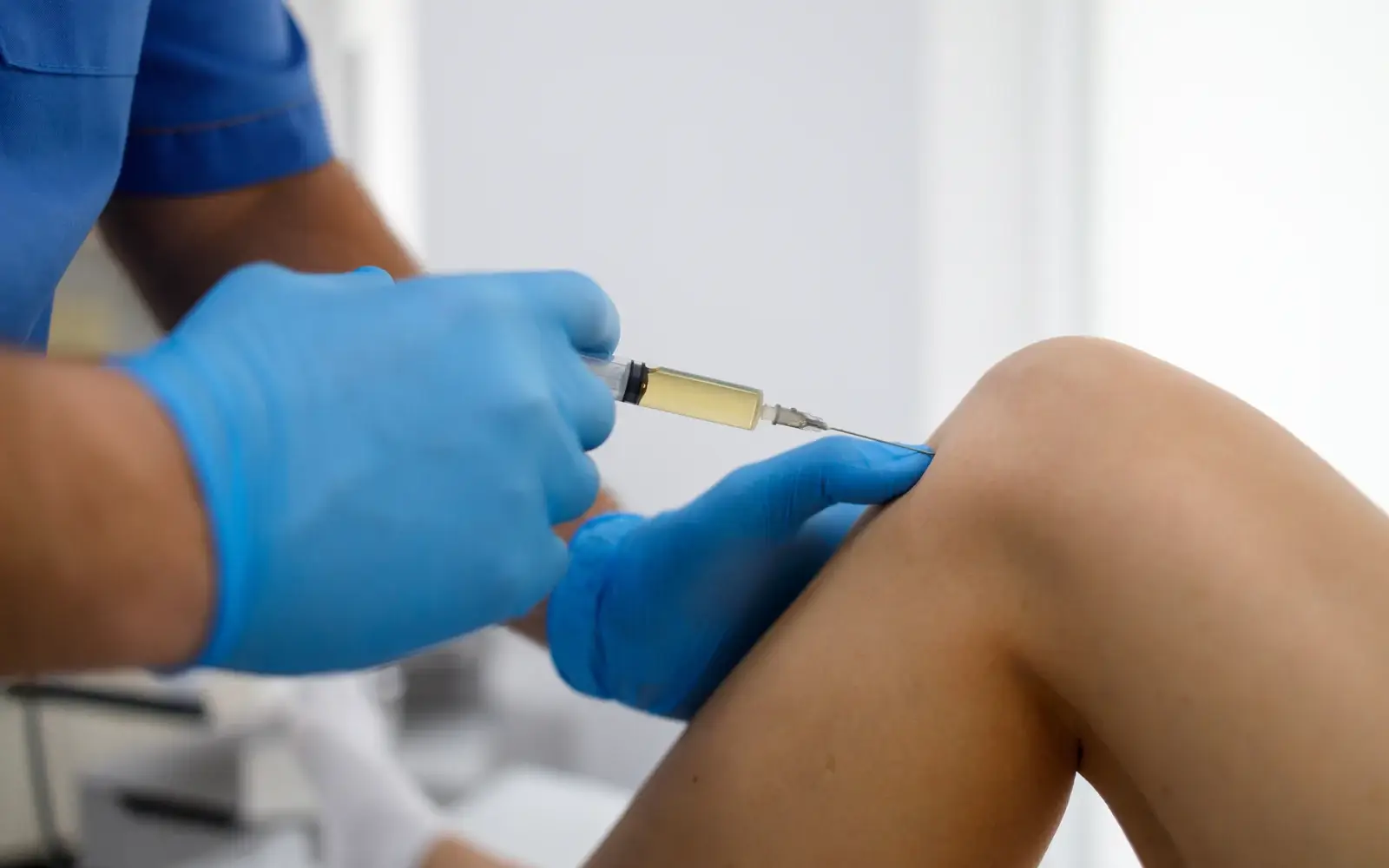
An in-office visit, generally well under an hour. The site is cleaned, a local anesthetic is commonly used, and the injection is placed by a physician, with ultrasound guidance where the target warrants it. PRP adds a blood draw and around fifteen minutes of processing at the start. Most people drive themselves home afterward.
04
Recovery, then an honest reassessment
Expect soreness for a few days, and with prolotherapy expect it to be worse before it is better; that is the mechanism, not a complication. We will usually ask you to avoid anti-inflammatory medication, because it works against the response we are trying to create. We reassess through the series rather than at the end of a pre-paid package, and if it is not moving we say so and change course.
▶Recovery timeline
A realistic healing timeline.
Because these injections work by repairing tissue rather than numbing it, recovery unfolds over weeks to months, not days. Here is the general shape of it. Your provider sets and adjusts your own timeline, and individual experiences vary.
Week 1: settling in
Early repair signals are getting to work. You may feel mild soreness, tightness or fullness for one to three days. Heat and gentle movement usually help, and anti-inflammatory medication is typically avoided because it works against the response.
Weeks 2 to 6: rebuilding
The tissue lays down new framework and blood supply. Discomfort often eases and stability starts to improve. This is usually when guided physical therapy or gradual loading begins, to shape the new tissue.
Months 2 to 6+: strengthening
New tissue matures into stronger fibers. Gains in comfort, strength and function tend to show up here, and most people are working back toward fuller activity as their provider advises.
Timelines vary by person, by tissue and by how worn the area is. A series of sessions is usually part of the plan, individual results vary, and no outcome is guaranteed.
An honest word on regenerative injections
None of these injections is an FDA-approved treatment for joint, tendon or ligament pain, and the strength of the published evidence differs considerably between them and between applications. PRP in knee osteoarthritis and in several tendon problems has a reasonable body of clinical research behind it. Prolotherapy has a smaller literature, with the better studies concentrated in a handful of applications. A2M, prolozone, perineural injection therapy and homeopathic injections have less published human evidence than either, for A2M much of the current support comes from laboratory and animal studies, and the evidence for perinatal-derived biologics is still developing. We will tell you which category the treatment you are asking about falls into, because presenting them all as equally proven would not be straight with you.
These procedures are not a cure for pain and they are not a guaranteed alternative to surgery. Where a tendon is fully ruptured, a joint is severely degenerated or the problem is plainly mechanical, the right answer is a surgical opinion, and delaying one can make the outcome worse. A series is normally required, results vary between people, and no outcome is guaranteed. Candidacy is decided by a licensed physician after examination.
This page is educational and is not medical advice. Nothing here is intended to diagnose, treat, prevent, or cure any disease. Regenerative injections are generally not covered by insurance.
▶Why Pure Body Health
Many options, and the willingness to say none.
Plenty of clinics in the Valley will inject you. Here is what is different about being injected here:
Several injections to choose between
Prolotherapy, A2M, PRP, prolozone, perineural injection therapy, homeopathic injections and biologics each suit different tissues. A clinic that only offers one tends to recommend that one whatever your examination shows.
Straight about what the evidence shows
PRP is not FDA-approved for treating your knee, and we say so on this page rather than hoping you never ask. You will be told what the research supports for your specific use, before you pay for it.
Placed by a licensed physician
Dr. Scott Maymon, ND, MPH and Dr. Sarah Stone, ND: Arizona-licensed naturopathic physicians you can verify, performing the examination and the injection themselves.
Reassessed as we go
We plan a course, then check whether it is working partway through. If it is not, we change the approach or stop, including telling you when the right referral is to a surgeon.
▶Cost
What a course actually costs.
Cost depends on which injection is used, how many sites are treated and how many sessions the plan calls for, so the number worth knowing is the cost of a course, not of a single visit. PRP costs more per session than prolotherapy because of the blood draw and processing; A2M, which is also prepared from your blood, is priced with it. Prolotherapy usually needs more sessions, and perineural injection therapy is priced differently again. Most of these are not covered by insurance. You will get the full plan and its total cost at your consultation, before anything is scheduled.
▶FAQ
Regenerative injections, answered.
What are regenerative injections?
Regenerative injections treat joint, tendon, ligament and nerve pain by injecting a substance intended to provoke the body's own repair response in the tissue, rather than by suppressing inflammation the way a corticosteroid injection does. Pure Body Health offers a range of options: prolotherapy, which uses a concentrated dextrose solution; A2M (alpha-2-macroglobulin), a protein from your own blood that is meant to protect cartilage; PRP, which concentrates the platelets from a sample of your own blood; prolozone, which combines dextrose with ozone; perineural injection therapy, which targets irritated superficial nerves; homeopathic injections; and biologic products sourced from an FDA-registered, licensed tissue bank. They are not interchangeable, and which one suits you depends on the tissue involved and what you have already tried.
How is A2M different from a cortisone shot?
A cortisone shot lowers inflammation to ease pain quickly but does not rebuild tissue, and repeated shots can work against the joint over time. A2M (alpha-2-macroglobulin) is a protein prepared from your own blood that is meant to work more selectively: to bind some of the enzymes that break down cartilage while leaving your natural healing signals in place. That is the rationale for it as a cartilage-protective option. The evidence for A2M is still early, with much of it from laboratory and animal studies, so we describe it as promising rather than proven and go over where the research stands at your consultation.
What is the difference between prolotherapy and PRP?
Both aim to provoke repair, but they use different materials and generally suit different situations. Prolotherapy injects a concentrated dextrose solution to create a controlled irritation that prompts a healing response, and it is typically used for ligament and tendon laxity and joint instability. PRP concentrates the platelets from your own blood and injects those growth factors directly into the tissue, and it is more often chosen for tendon and joint problems where a stronger biological signal is wanted. PRP requires a blood draw and costs more; prolotherapy is simpler and usually needs more sessions. A provider chooses between them based on the tissue, the history and your goals, not on a general preference.
Is PRP FDA-approved?
No, not for orthopedic conditions. Platelet-rich plasma (PRP) is prepared using FDA-cleared processing systems, including the EmCyte system used at Pure Body Health. However, there is currently no FDA approval for PRP injections to treat orthopedic conditions such as arthritis or tendon injuries. FDA clearance of the equipment used to prepare PRP is different from FDA approval of a specific medical treatment. PRP has been studied extensively for many musculoskeletal conditions and may be appropriate in carefully selected patients, but results vary and no treatment can be guaranteed.
How much do prolotherapy and PRP injections cost in South Tempe?
Cost depends on which injection is used, how many sites are treated, and how many sessions the plan calls for, so the figure that matters is the cost of a course rather than a single visit. PRP costs more per session than prolotherapy because it involves a blood draw and processing; prolotherapy typically requires more sessions. Perineural injection therapy is priced differently again. Most regenerative injections are not covered by insurance. We go through the full plan and its cost at your consultation before anything is scheduled.
Does PRP work for knee pain?
There is reasonable published evidence for PRP in knee osteoarthritis, and it is one of the better-studied orthopedic applications, but the results in the literature vary and it is not effective for everyone. It tends to do more for pain and function in mild to moderate osteoarthritis than in advanced joint degeneration, where the structural problem is past what an injection can reach. If imaging and examination suggest you are in that latter group, we will tell you, because paying for a series that cannot help you is the worst outcome here.
What are the side effects of prolotherapy?
The most common effects are local and expected: soreness, stiffness, swelling or bruising at the injection site, often for a few days. A temporary increase in pain immediately afterward is normal with prolotherapy specifically, because the treatment works by provoking an inflammatory repair response. Less common risks include bleeding, infection at the injection site, allergic reaction to a component, and nerve or blood-vessel irritation. Your provider will go through the risks that apply to the specific injection and site before you consent to it.
Why do I need to avoid anti-inflammatory drugs like ibuprofen?
Because these injections work by starting a controlled repair response, and anti-inflammatory drugs (NSAIDs such as ibuprofen or naproxen) blunt exactly that response. For a window around your treatment your provider will usually ask you to avoid them and suggest other ways to stay comfortable instead. Always follow your provider's guidance, and never stop a medication you have been prescribed for another condition without checking with the physician who prescribed it.
Who should not have regenerative injections?
These treatments are not appropriate for everyone. We do not inject over an active skin or joint infection, and we avoid them during pregnancy and while nursing. A bleeding disorder or the use of anticoagulant medication requires assessment and sometimes rules the treatment out. An active cancer, particularly in or near the treatment area, calls for real caution. A known allergy to dextrose, ozone, local anesthetic or any component is a contraindication, and PRP additionally requires that a blood sample can be safely drawn and that your platelet count is adequate. Certain medications, including some anti-inflammatories, may need pausing beforehand. Candidacy is determined by a provider at consultation after examination, not from a form.
How many injections will I need, and how long until they work?
A series is normal rather than exceptional. Prolotherapy commonly runs across several sessions spaced a few weeks apart; PRP is often fewer sessions but spaced similarly. Because these treatments work by prompting tissue repair rather than by numbing pain, meaningful change is usually assessed over weeks to a few months rather than days, and a temporary increase in soreness early on is expected. Your provider sets the plan at consultation and reassesses through it rather than committing you to a fixed package up front.
Is this an alternative to surgery?
Sometimes, and sometimes not; the honest answer depends entirely on what is wrong. For pain arising from ligament or tendon laxity, early joint degeneration or an irritated nerve, regenerative injections can be a reasonable thing to try before considering surgery. For a complete tendon rupture, significant structural instability, advanced joint destruction or a problem that is clearly mechanical, they are not a substitute for surgical repair and delaying appropriate surgery can make the outcome worse. We will say plainly which category we think you are in, including when the right referral is to a surgeon.
Where do you serve besides South Tempe?
Pure Body Health is at 1553 W Todd Drive, Suite 106, just off I-10 at Elliot Road on South Priest Drive in South Tempe. Patients come from across the East Valley: Ahwatukee Foothills is roughly twelve minutes away, Chandler about twenty, Mesa about twenty-two, Gilbert about twenty-four, and Scottsdale and Phoenix about twenty-five each in typical Valley traffic.
▶References
Selected research.
A selection of the published research behind these injections.
- Wang S, Wei X, Zhou J, et al. Identification of α2-macroglobulin as a master inhibitor of cartilage-degrading factors that attenuates the progression of posttraumatic osteoarthritis. Arthritis & Rheumatology. 2014. Arthritis & Rheumatology article
- Scuderi GJ, Cuéllar VG. Alpha-2-macroglobulin autologous protease-inhibition technology for osteoarthritis and discogenic pain. 2016. PubMed
- Tuakli-Wosornu YA, Terry A, Boachie-Adjei K, et al. Lumbar intradiskal platelet-rich plasma (PRP) injections: a prospective, double-blind, randomized controlled study. PM&R. 2016. PM&R article
- American Academy of Physical Medicine and Rehabilitation (AAPM&R). Guidance statement on platelet-rich plasma for knee osteoarthritis. 2026. PubMed
- Dextrose prolotherapy in knee osteoarthritis: a systematic review and meta-analysis. Journal of Clinical Orthopaedics and Trauma. 2021. PubMed
- U.S. Department of Veterans Affairs, Evidence Synthesis Program. Dextrose prolotherapy for musculoskeletal pain: a systematic review. VA Evidence Synthesis Program report
- Farpour HR, Estakhri F, et al. The efficacy of ozone prolotherapy compared to intra-articular hypertonic saline injection in reducing pain and improving function in knee osteoarthritis: a randomized clinical trial. Evidence-Based Complementary and Alternative Medicine. 2021. PubMed
- Lyftogt J. Subcutaneous prolotherapy for Achilles tendinopathy. Australasian Musculoskeletal Medicine. 2007. Semantic Scholar record
- Wu YT, Ho TY, Chou YC, et al. Randomized double-blinded clinical trial of 5% dextrose versus triamcinolone injection for carpal tunnel syndrome. Annals of Neurology. 2018. PubMed
This list is for education and does not imply endorsement by the authors or their institutions. It is not medical advice, and it is not a claim that any treatment is FDA-approved for these uses.
▶Keep exploring
Related care
▶Get started
Book a regenerative injection consultation in South Tempe.
An examination with a licensed naturopathic physician, a straight read on which injection fits your problem, or whether none of them does, and the cost of the whole course before anything is scheduled.
▶Patients we serve across the Valley
Rooted in South Tempe, close to the whole East Valley.
Just off I-10 at Elliot Road on South Priest Drive, an easy drive from Ahwatukee, Chandler, Gilbert, Mesa, Scottsdale, and Phoenix.
- South Tempe~5 min
- Ahwatukee Foothills~12 min
- Chandler~20 min
- Mesa~22 min
- Gilbert~24 min
- Scottsdale~25 min
- Phoenix~25 min
Approximate drive times in typical Valley traffic.