★★★★★ Rated 5.0 on Google · 302 reviews across our clinic and doctors
Natural & Regenerative Pain Reliefin South Tempe, AZ
A drug-free-first, surgery-avoiding approach to chronic joint, tendon, and back pain that looks for why your tissue stopped healing, then uses the least invasive tools that fit your biology. Physician-led, coordinated with your other care. Serving South Tempe, Ahwatukee, Chandler, and the East Valley.
Medically reviewed by Dr. Scott Maymon, ND, MPH & Dr. Sarah Stone, ND · September 2026
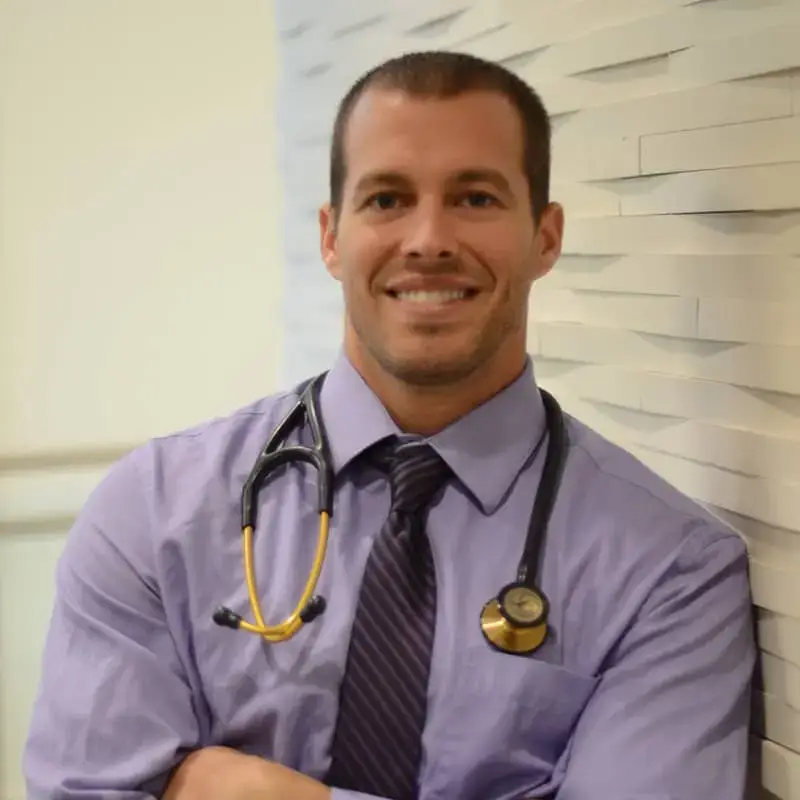
Naturopathic Physician
Dr. Scott Maymon, ND, MPH
Caring for the Valley since 2015, with root-cause functional medicine for hormones, regenerative therapies, pain, and men’s health.
- AZ Naturopathic License #15-1497
- Doctorate, SCNM / Sonoran University (Tempe) · MPH, University of Louisville
- Focus: hormones, regenerative injections, men’s health

Naturopathic Physician
Dr. Sarah Stone, ND
Caring for the Valley since 2015, partnering with patients to treat the root cause across hormones, regenerative therapies, aesthetics, and whole-person wellness.
- AZ Naturopathic License #15-1496
- Doctorate, SCNM / Sonoran University (Tempe) · B.S. Psychology, USF
- Focus: hormones, regenerative therapies, aesthetics, autoimmune
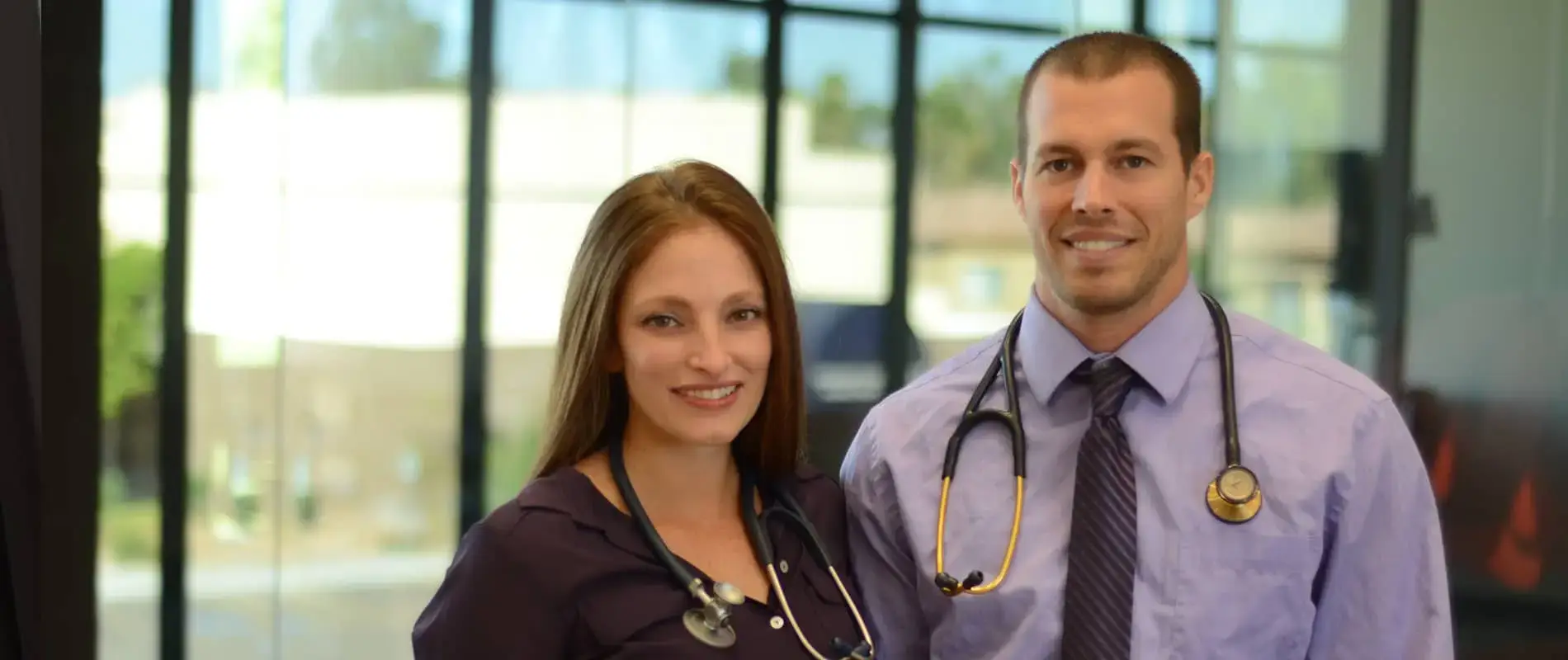
Two licensed NDsPhysician-led care
Root cause firstLeast invasive tools
CoordinatedWorks with your care.
5.0 star rating302 Google reviews, clinic + doctors
Pure Body Health is a physician-led health optimization clinic, not a procedure-only pain center. We look for why pain persists, then use the least invasive, best-matched tools to help your body actually heal. That means pairing lab work and imaging with functional medicine, hormone and metabolic support, regenerative injections, cold laser, peptides, and botanical medicine, chosen for your biology rather than a fixed menu.
Here is the honest part: this approach works alongside your conventional care, not instead of it. Some pain needs conventional or emergency medicine, real repair takes time, and results vary from person to person. Please never stop a prescribed medication on your own. A licensed physician decides what fits you, and whether a referral for orthopedic or surgical care is the right next step.
▶Physician-reviewed
Physician-led pain care, not a procedure menu.
Your pain care here is directed by Dr. Scott Maymon, ND, MPH (AZ Naturopathic License #15-1497) and Dr. Sarah Stone, ND (AZ Naturopathic License #15-1496), Arizona-licensed naturopathic physicians who combine evidence-based regenerative medicine with naturopathic health optimization. They decide whether your pain calls for regenerative injections, peptide signaling, hormone or metabolic correction, or a referral for conventional orthopedic care.
▶The Difference
More Than a Procedure. The Reason Your Tissue Stopped Healing.
When joint, tendon, or spinal pain turns chronic, it is a signal that your body's natural repair has stalled. Healing depends on far more than local mechanical stability. It needs a healthy internal environment, and a cortisone shot or an isolated procedure does not build one. We evaluate why the tissue failed to heal in the first place, then choose the least invasive tools that fit your biology.
Our model treats pain as one point on a connected pathway: pain, inflammation, hormones, metabolic health, tissue health, lifestyle, and biomechanics. By finding the breakdowns along that whole chain, we work to build biological resiliency from the inside out, so your body heals more efficiently and is better able to resist the next injury.
Pain is a signal, not just a spot. We look for why the tissue stopped healing.
Book a consultation →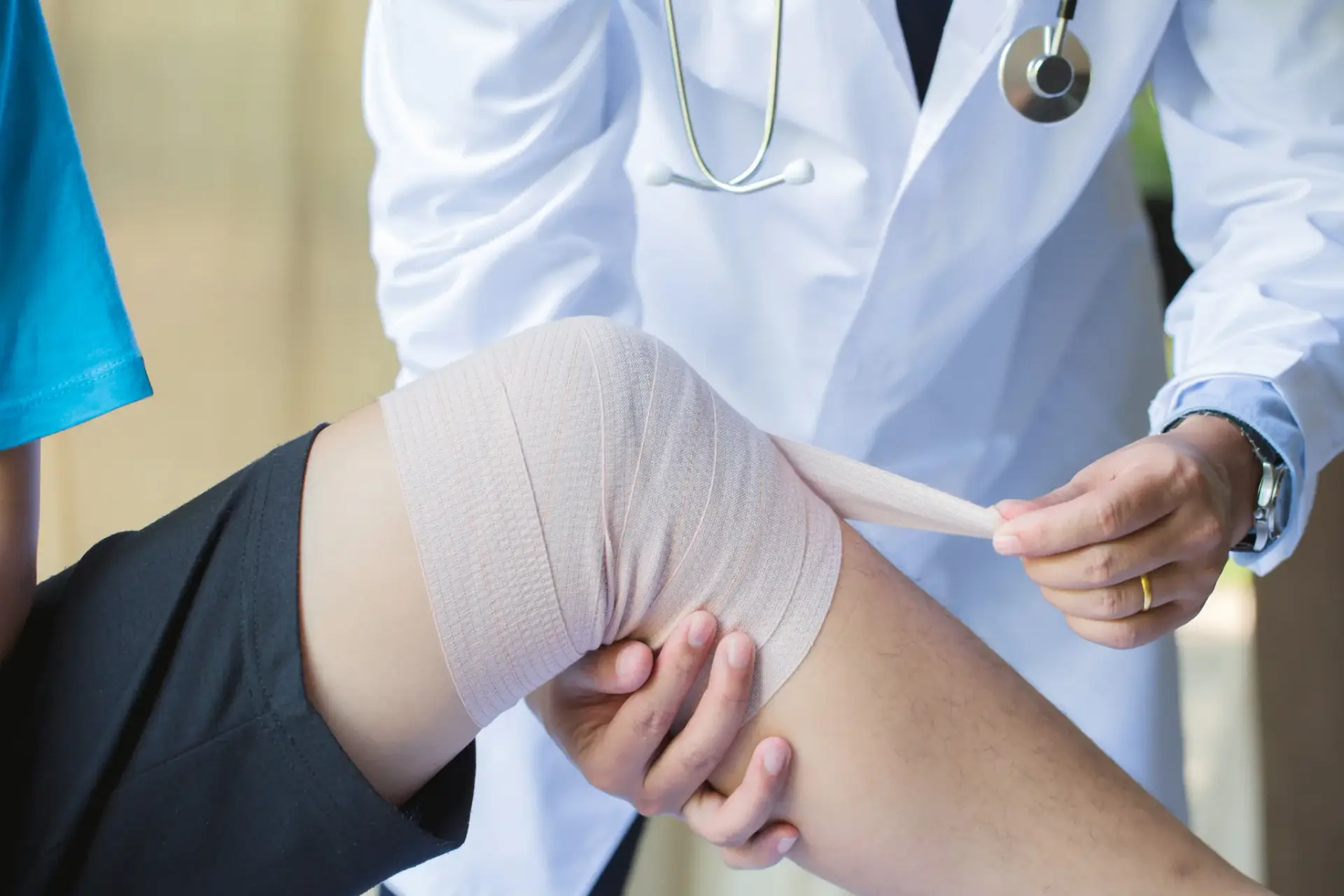
▶Sound Familiar?
When the Pain Won't Quit and Nothing Has Fixed It
Chronic pain that has not resolved with rest, therapy, or standard care usually means something upstream is unaddressed. You may recognize some of these:
- Joint, tendon, or back pain that will not fully heal
- "Your MRI looks fine," yet you still hurt and stay limited
- Rest, therapy, or a cortisone shot that only helped for a while
- An old injury that keeps flaring up
- Tendinopathy, tennis or golfer's elbow, or a bad Achilles
- Osteoarthritis aches in the knee, hip, or shoulder
- Sciatica or nagging low-back and neck pain
- Carpal tunnel or other nerve-related pain
- Plantar fasciitis or a stubborn foot problem
- Wanting to avoid surgery or long-term pain medication
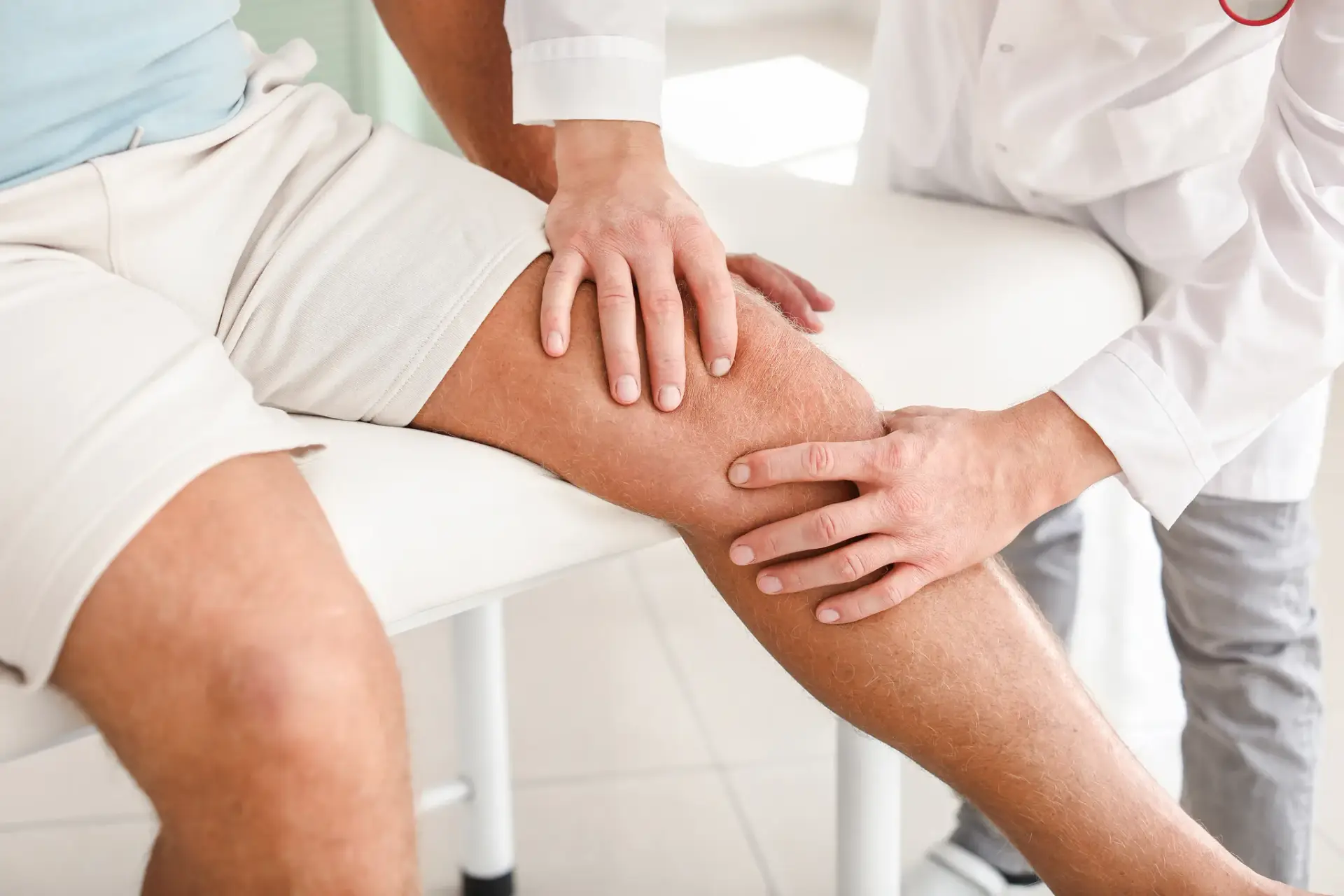
▶Why Tissue Fails To Heal
Pain Is a Systemic Signal
Real repair needs a healthy internal environment. When healing stalls, the reason is often somewhere other than the joint itself. We test for the common ones.
Chronic Inflammation
Persistent, low-grade inflammation can keep tissue stuck in the injury phase instead of moving into rebuilding. Elevated inflammatory markers are thought to impair collagen repair and keep joints sore, so we measure them (Andia I, Maffulli N, Nat Rev Rheumatol 2013).
Hormone Insufficiency
The hormones that build tissue, testosterone, thyroid, and estrogen among them, support collagen, tendon density, and muscle. When they are low or out of balance, structural repair slows and recovery drags out, so a full hormone panel is part of the workup.
Metabolic Dysfunction
Insulin resistance disrupts the small-vessel blood flow that carries nutrients to connective tissue, and over time it is thought to weaken the tendon collagen matrix. We evaluate fasting insulin, HbA1c, and related markers (Petersen MC, Shulman GI, Physiol Rev 2018).
The Missing Link on a "Normal" MRI
When your imaging reads as fine but you are still limited, the answer is often cellular or metabolic rather than structural. We pair advanced bloodwork (inflammatory, hormone, metabolic, and nutrient markers) with a review of your MRI, X-ray, or ultrasound and hands-on movement testing. Testing is individualized; not everyone needs every panel, and candidacy is determined by your provider. Lab work supports a root-cause plan and is not a diagnosis on its own.
▶Cellular Repair Support
Targeted Peptide Therapy
Peptides are short chains of amino acids that act as signals, telling cells to repair, calm inflammation, or release growth factors. Used this way, these peptides are not FDA-approved and are prescribed off-label under a physician's direction, often through a licensed compounding pharmacy. A physician decides whether any of them is appropriate for you.
BPC-157
A peptide studied for tissue and gut-lining repair. Research, much of it preclinical, suggests it may support new blood-vessel formation and healing in tendon, ligament, and gut tissue (Sikiric P et al., 2018; Chang CH et al., 2011).
TB-500 (Thymosin Beta-4)
Studied for its role in cell migration and soft-tissue remodeling. It may help cells reach damaged areas, support recovery, and reduce localized scarring in early research (Philp D et al., 2010; Goldstein AL et al., 2012).
CJC-1295 / Ipamorelin
Growth-hormone-releasing peptides studied for their effect on the body's own growth-hormone pulses, which support protein synthesis, connective-tissue repair, and recovery (Sinha DK et al., 2020).
AOD-9604 & Collagen-Supportive Peptides
AOD-9604 has been studied for cartilage support and metabolism, and signaling peptides may support the extracellular matrix and joint comfort. Research is still developing (Cox HD et al., 2014). Peptide therapies are used off-label and are not FDA-approved for these purposes; much of the evidence is early. They are dispensed only when a physician determines they are appropriate, and they are not right for everyone. Individual results vary.
▶Targeted Repair & Recovery
Regenerative, Biologic & Light-Based Therapies
Once the internal environment is supported, targeted therapies deliver repair signals to the injured tissue itself. We match the tool to the problem, and we are honest about what each one is cleared or approved to do.
Regenerative Injections (A2M, PRP, Prolotherapy)
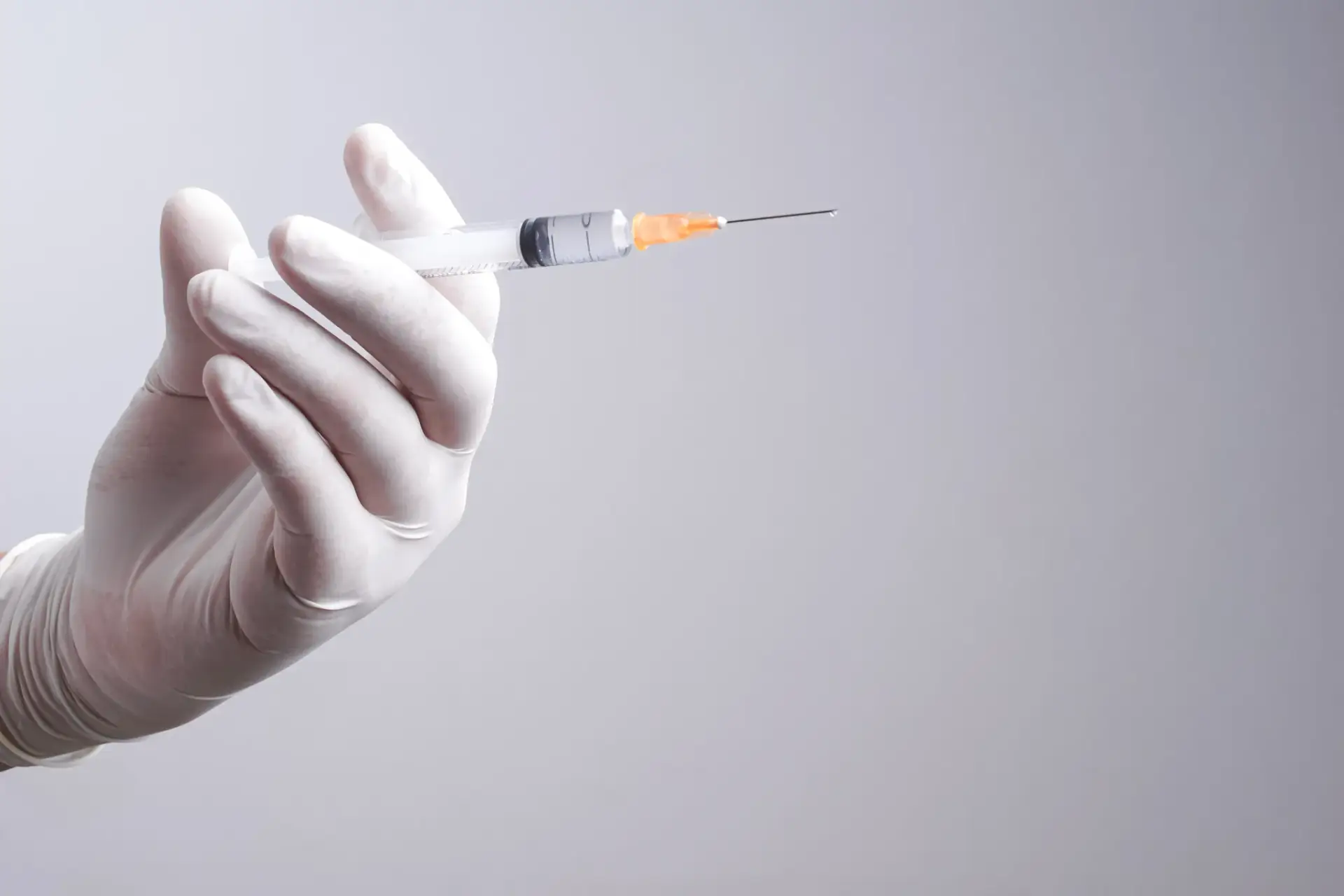
Injections that deliver repair signals into worn joints, tendons, and ligaments. We cover A2M, PRP, and prolotherapy in depth, including their honest FDA status, on our regenerative injections page.
Low-Level Laser Therapy (Cold Laser)
Also called photobiomodulation, this uses red and near-infrared light and is thought to support circulation and tissue recovery while calming pain signaling. Certain low-level laser devices are FDA-cleared for temporary relief of pain (Chow RT et al., 2009; Hamblin MR, 2017).
PEMF Therapy
A wellness approach many patients use for comfort, relaxation, and temporary relief of minor muscle aches. The system we use is a wellness device and is not FDA-approved to treat any condition. More on our PEMF page.
Acoustic Wave Therapy
Focused sound waves used for certain musculoskeletal complaints where appropriate. Whether it fits your case is a physician's call after an exam.
Botanical Medicine
Targeted botanical formulas, such as curcumin (turmeric), Boswellia, and others, used to support a healthy inflammatory response and comfort. These are dietary supplements; they are not evaluated by the FDA and are not intended to diagnose, treat, cure, or prevent any disease (Di Pierro F et al., 2013).
IV Nutrient Therapy
Targeted IV nutrient therapy replenishes fluids, nutrients, and antioxidants to support recovery and reduce oxidative stress. It supports general wellness and is not a treatment for disease. Devices described here are cleared or classified for specific, limited uses or are general-wellness devices; none is a cure. Supplements and IV nutrients are not FDA-approved to treat disease. Your physician recommends only what fits your case.
▶Optimize The Internal Environment
Fix the Terrain, Not Just the Spot
Repair signals work far better when the body they land in is healthy. Alongside targeted therapies, we address the systemic drivers that keep tissue from healing.
Functional & sports medicine
We use functional medicine to correct the nutrient gaps, hormone imbalances, and metabolic problems that stall healing, so your repair machinery can actually work.
Hormone & metabolic optimization
Because the hormones and blood-sugar control that build tissue are often part of the problem, hormone health and metabolic correction are part of a complete pain plan, not an afterthought.
Individual results vary. This care supports general wellness and is not a substitute for conventional or emergency medical treatment.
▶How It Works
What Your Care Actually Looks Like
Four steps, in plain terms, from your first visit to holding your progress.
Step 1. Root-cause evaluation
We start with your history and goals, then run systemic lab work and review your imaging, correlated with hands-on movement testing. This is where we find the breakdowns a scan alone can miss.
Step 2. Your individualized roadmap
Your physician builds a plan around what your labs and exam show: which internal drivers to correct first, and which targeted therapies (injections, laser, peptides, botanicals) fit your case.
Step 3. Coordinated treatment
You begin your plan with physician oversight, and we coordinate with your other providers. We do not ask you to stop a prescribed medication on your own, and we track real markers, not just how you feel on a given day.
Step 4. Honest follow-up
We tell you plainly what is working and what is not, adjust as your body responds, and refer you for conventional orthopedic or surgical care when that is the right call. No endless packages you do not need.
Our Approach to Evidence
We believe patients deserve clear, honest information. Some therapies we offer are FDA-approved, some involve FDA-cleared medical devices, and others are physician-directed treatments prescribed off-label or prepared by licensed compounding pharmacies when appropriate. Every recommendation is individualized based on your history, examination, imaging, goals, and the best available clinical evidence. We discuss the expected benefits, limitations, alternatives, and regulatory status of any treatment before you decide to proceed.
▶The Difference, In Detail
A Whole-Person Model, Not a Symptom-Masking One
Symptom-first pain care can quiet a flare, but it rarely asks why the tissue failed. Here is what a root-cause, physician-led model adds.
We look for why, not just where
Symptom-first approach: imaging at the pain site only. We add systemic labs and advanced bloodwork alongside your targeted imaging, so we can find what a scan misses.
The goal is repair, not just quiet
Symptom-first approach: short-term suppression, such as a cortisone shot. We work to help the tissue actually repair and build long-term resiliency, not just to mute the signal for a few weeks.
Hormones and metabolism count
Symptom-first approach: treated as unrelated to musculoskeletal pain. We evaluate testosterone, thyroid, insulin sensitivity, and inflammatory markers, because they shape whether tissue can heal.
Least-invasive tools, matched to you
Symptom-first approach: a one-size-fits-all injection menu or a straight surgical referral. Peptides, regenerative injections, cold laser, and botanical medicine, chosen for your biology, with surgery reserved for when it is genuinely the right call.
▶Is This Right For You?
Who This Care Fits, and When We Refer Out
Under the direction of Dr. Scott Maymon, ND, MPH and Dr. Sarah Stone, ND, a licensed physician decides which path fits you after an exam and a review of your labs and imaging.
This approach is a strong fit if you:- Have chronic joint, tendon, ligament, or back pain that has not resolved with standard care.
- Want a drug-free-first, surgery-avoiding approach.
- Suspect your pain has an upstream driver (inflammation, hormones, metabolism) not explained using imaging.
- Your problem needs conventional orthopedic or surgical care, or urgent medical attention.
- A red-flag symptom or condition is outside the scope of naturopathic and regenerative care.
▶Next step
Start with a consultation.
Bring your questions. You will get an honest read on whether this is the right fit for you, what a plan looks like, and what it costs, with no obligation to book.
▶FAQ
Frequently Asked Questions
What is natural, root-cause pain relief?
It is a physician-led approach that looks for why your tissue stopped healing instead of only quieting the pain at the spot that hurts. We combine lab work and imaging with the least invasive tools that fit your biology, from functional and sports medicine and hormone and metabolic support to regenerative injections, cold laser, and peptides. The goal is to help your body repair and become more resilient, not to mask the signal. This supports general wellness and is not a substitute for conventional or emergency care.
Is this a replacement for my pain doctor or my medications?
It depends. Many patients choose Pure Body Health as their primary resource for evaluating and treating pain, while others continue to work with specialists as part of their care. Our physicians focus on identifying the underlying cause of pain and developing individualized treatment plans using the most appropriate evidence-informed therapies. If changes to prescription medications are appropriate, they should be made with the clinician managing those medications. When surgery, emergency care, or referral to another specialist is the best option, we'll tell you honestly and help coordinate the next steps.
What kinds of pain do you help with?
We focus on chronic musculoskeletal pain: joint, tendon, ligament, and spinal pain that has not resolved with rest, therapy, or standard care, along with conditions like tendinopathy, osteoarthritis aches, and recurring overuse injuries. A physician determines candidacy after an exam and review of your labs and imaging.
Is peptide therapy FDA-approved?
No. The peptides used for tissue recovery (such as BPC-157, TB-500, CJC-1295, Ipamorelin, and AOD-9604) are not FDA-approved for these purposes, and much of the supporting research is early or preclinical. When appropriate, they are prescribed off-label under a physician's direction, often through a licensed compounding pharmacy. A physician decides whether any peptide is suitable for you, and candidacy is individual. This is decided in your consultation, not from a web page.
What are A2M and PRP, and do you offer them?
Yes. A2M (alpha-2-macroglobulin) and PRP (platelet-rich plasma) are regenerative injections that deliver repair signals into worn joints, tendons, and ligaments. We cover them in depth on our regenerative injections page.
Does cold laser (LLLT) or PEMF actually work?
Both are used to support comfort and recovery, and it is important to be honest about their status. Certain low-level laser (photobiomodulation) devices are FDA-cleared for temporary relief of pain, and research suggests laser may support circulation and tissue recovery; it is not intended as a cure. PEMF is a wellness approach many patients use for relaxation and temporary relief of minor muscle aches; the system we use is a wellness device and is not FDA-approved to treat any condition. We will not tell you otherwise.
My MRI looks fine, so why do I still hurt?
This is common, and it is real. Imaging shows structure, but it does not show the internal environment your tissue needs to heal: inflammation, hormones, blood sugar and circulation, and nutrient status. When an MRI reads as normal yet you are still limited, the missing link is often cellular or metabolic, which is exactly what our lab work is designed to find.
Does it hurt, and how long until I feel better?
Most of our tools are non-invasive or use small needles with numbing where needed, so discomfort is usually mild. Timelines vary widely with the tissue involved, your biology, and how closely you follow the plan, because real repair takes time. We track progress and adjust, and we are honest when something is not working. Individual results vary.
Do you serve Ahwatukee, Chandler, and the East Valley?
Yes. Pure Body Health is in South Tempe, just off I-10 at Elliot Road on South Priest Drive, an easy drive from Ahwatukee, Chandler, Mesa, Gilbert, Scottsdale, and Phoenix. Patients come to us for natural and regenerative pain care from across the East Valley.
▶Keep exploring
Explore More at Pure Body Health
▶References
The Research Behind This Care
This page is educational and supports general wellness. It is not medical advice, is not a substitute for conventional or emergency care, and is not intended to diagnose, treat, prevent, or cure any disease. Do not stop or change a prescribed medication on your own. Treatments described here are individualized; several are used off-label or are general-wellness devices or dietary supplements, and none is a cure. These services are not appropriate for everyone, and candidacy is determined by a provider. Individual results vary.
- Foster TE, Puskas BL, Mandelbaum BR, et al. Platelet-rich plasma: from basic science to clinical applications. American Journal of Sports Medicine. 2009;37(11):2259-2272.
- Andia I, Maffulli N. Platelet-rich plasma for managing pain and inflammation in osteoarthritis. Nature Reviews Rheumatology. 2013;9(12):721-730.
- Fitzpatrick J, Bulsara M, Zheng MH. The effectiveness of platelet-rich plasma in the treatment of tendinopathy: a meta-analysis of randomized controlled trials. American Journal of Sports Medicine. 2017;45(1):226-233.
- Rabago D, Zgierska A, Fortney L, et al. Dextrose prolotherapy for knee osteoarthritis: a systematic review and meta-analysis. Journal of Alternative and Complementary Medicine. 2013;19(12):983-991.
- Bassett CA. Fundamental and practical aspects of therapeutic uses of pulsed electromagnetic fields (PEMFs). Critical Reviews in Biomedical Engineering. 1989;17(5):451-529.
- Markov MS. Expanding use of pulsed electromagnetic field therapies. Electromagnetic Biology and Medicine. 2007;26(3):257-274.
- Sikiric P, Seiwerth S, Rucman R, et al. Brain-gut axis and pentadecapeptide BPC 157: theoretical and practical implications. Current Pharmaceutical Design. 2018;24(18):1958-1972.
- Chang CH, Tsai WC, Lin MS, et al. The promoting effect of pentadecapeptide BPC 157 on tendon healing in vitro and in vivo. Molecules. 2011;16(8):6989-7000.
- Philp D, Kleinman HK. Thymosin beta4 and wound repair. Annals of the New York Academy of Sciences. 2010;1194(1):168-174.
- Goldstein AL, Kleinman HK. Thymosin beta4: a multi-functional regenerative peptide. Expert Opinion on Biological Therapy. 2012;12(1):37-51.
- Sinha DK, Balasubramanian A, Tatem AJ, et al. Beyond the androgen receptor: peptide therapy in modern male health and regenerative medicine. International Journal of Endocrinology. 2020;2020:8814050.
- Cox HD, Soprano J, Miller GD, et al. Detection of AOD9604 in urine and plasma by LC-MS/MS for doping control verification. Drug Testing and Analysis. 2014;6(11-12):1125-1130.
- Petersen MC, Shulman GI. Mechanisms of insulin action and insulin resistance. Physiological Reviews. 2018;98(4):2133-2223.
- Chow RT, Johnson MI, Lopes-Martins RA, Bjordal JM. Efficacy of low-level laser therapy in the management of neck pain: a systematic review and meta-analysis. The Lancet. 2009;374(9705):1897-1908.
- Hamblin MR. Mechanisms and applications of the anti-inflammatory effects of photobiomodulation. AIMS Biophysics. 2017;4(3):337-361.
- Wang S, Wei X, Zhou J, et al. Identification of alpha-2-macroglobulin as a master inhibitor of cartilage-degrading enzymes. Arthritis & Rheumatology. 2014;66(7):1843-1853.
- Cuellar JM, Cuellar VG, Scuderi GJ. Alpha-2-macroglobulin autologous protease inhibitor concentrate (APIC) for the treatment of osteoarthritis and degenerative disc disease. The Spine Journal. 2016;16(4):S56-S57.
- Gerdesmeyer L, Frey C, Vester J, et al. Radial extracorporeal shock wave therapy is safe and effective in the treatment of chronic recalcitrant plantar fasciitis: a confirmatory randomized placebo-controlled multicenter study. American Journal of Sports Medicine. 2008;36(11):2109-2117.
- Wang CJ. Extracorporeal shockwave therapy in musculoskeletal disorders. BMC Musculoskeletal Disorders. 2012;13(1):22.
- Di Pierro F, Rapacioli G, Di Maio EA, et al. Comparative evaluation of the pain-relieving properties of a lecithinized formulation of curcumin (Meriva) versus standard care in acute and chronic pain. Journal of Pain Research. 2013;6:201-207.
- Jaggi AS, Singh N. Therapeutic targets for neuropathic pain: focus on microglial and astrocytic cells. European Journal of Pharmacology. 2012;696(1-3):1-10.
▶Get started
Book a root-cause pain evaluation in South Tempe.
An exam and lab and imaging review with a licensed naturopathic physician, a straight read on which tools fit your pain (or whether a referral is the right call), and the plan before anything is scheduled.
▶Patients we serve across the Valley
Rooted in South Tempe, close to the whole East Valley.
Just off I-10 at Elliot Road on South Priest Drive, minutes from Ken McDonald Golf Course and the Kyrene corridor, an easy drive from Ahwatukee, Chandler, Gilbert, Mesa, Scottsdale, and Phoenix.
- South Tempe~5 min
- Ahwatukee Foothills~12 min
- Chandler~20 min
- Mesa~22 min
- Gilbert~24 min
- Scottsdale~25 min
- Phoenix~25 min
Approximate drive times in typical Valley traffic.