
★★★★★ Rated 5.0 on Google · 302 reviews across our clinic and doctors
PRX-T33in South Tempe, AZ
PRX-T33 in South Tempe, AZ, The Peel That Doesn't Peel.
Medically reviewed by Dr. Scott Maymon, ND, MPH & Dr. Sarah Stone, ND · September 2026

Naturopathic Physician
Dr. Scott Maymon, ND, MPH
Caring for the Valley since 2015, with root-cause functional medicine for hormones, regenerative therapies, pain, and men’s health.
- AZ Naturopathic License #15-1497
- Doctorate, SCNM / Sonoran University (Tempe) · MPH, University of Louisville
- Focus: hormones, regenerative injections, men’s health

Naturopathic Physician
Dr. Sarah Stone, ND
Caring for the Valley since 2015, partnering with patients to treat the root cause across hormones, regenerative therapies, aesthetics, and whole-person wellness.
- AZ Naturopathic License #15-1496
- Doctorate, SCNM / Sonoran University (Tempe) · B.S. Psychology, USF
- Focus: hormones, regenerative therapies, aesthetics, autoimmune
Two licensed NDs
Physician-reviewed
Free consultation
5.0 star rating302 Google reviews, clinic + doctors
A topical biorevitalization treatment that puts TCA into the deeper layers of the skin without the peeling phase a traditional chemical peel causes, and without the sun restriction that pushes most resurfacing into winter. For dullness, fine lines, tone and texture. Serving South Tempe, Ahwatukee, Chandler, Mesa, Gilbert, Scottsdale & Phoenix.
▶What it is
What it is
PRX-T33 is a topical biorevitalization treatment that delivers TCA to the deeper layers of the skin without the peeling phase a traditional chemical peel causes. It combines 33% trichloroacetic acid with hydrogen peroxide and kojic acid, and it is massaged into the skin rather than injected or needled; nothing punctures the surface.
It is used for dullness, fine lines, uneven tone, and the appearance of acne scarring and stretch marks, on the face, neck, décolleté and hands. Be careful with the phrase "no downtime": there is no true peel phase, but expect tightness, mild dryness and sometimes light flaking for a few days. Results build over a series, individual outcomes vary, and a provider determines whether it suits your skin.
Key points: Since 2015 caring for the Valley · Two licensed NDs, not an aesthetician counter · No peeling phase, and no needles · Free consultation before you commit · Physician-reviewed.
Book a consultation →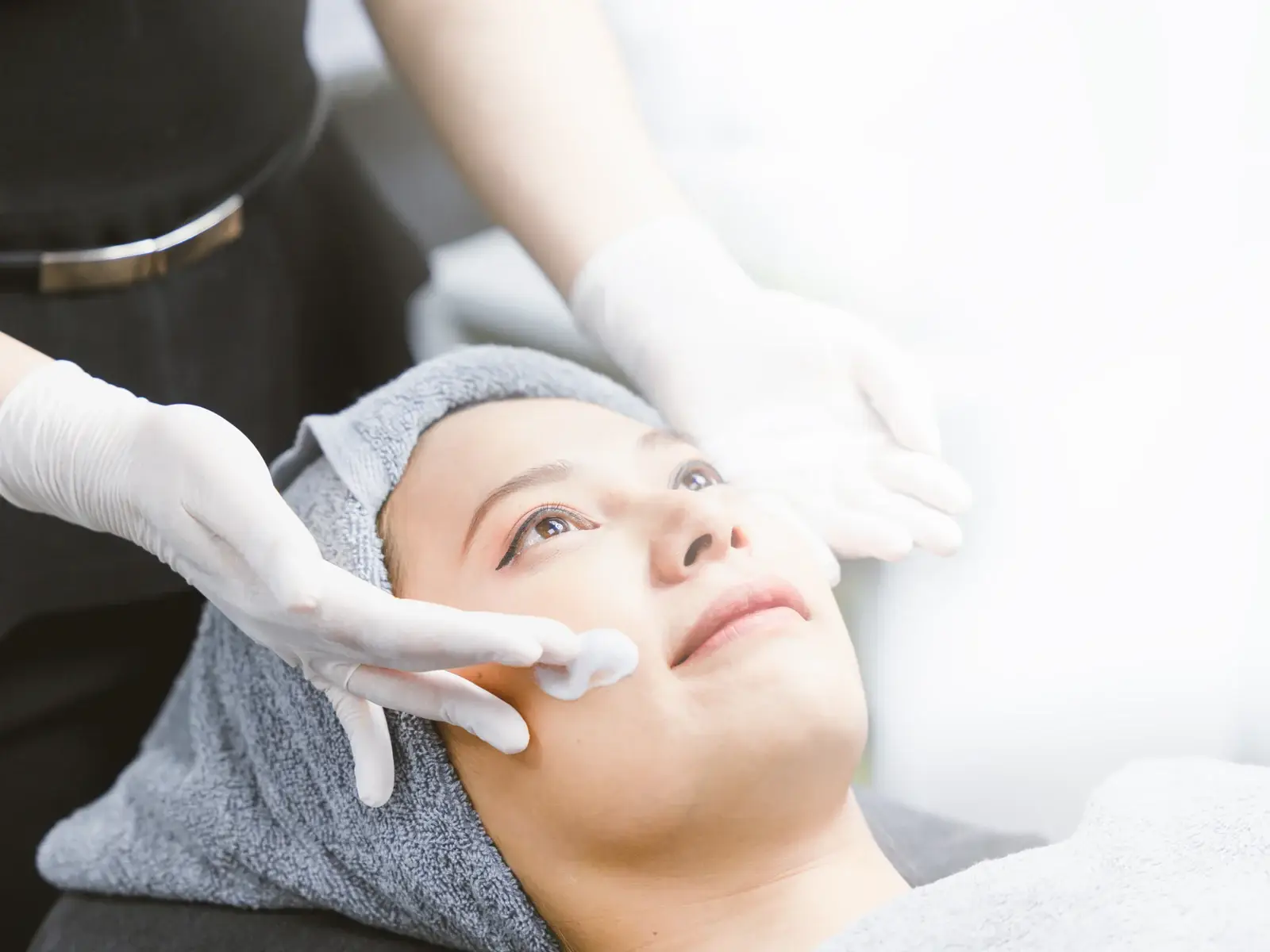
▶Physician-reviewed
An acid strong enough to need a physician.
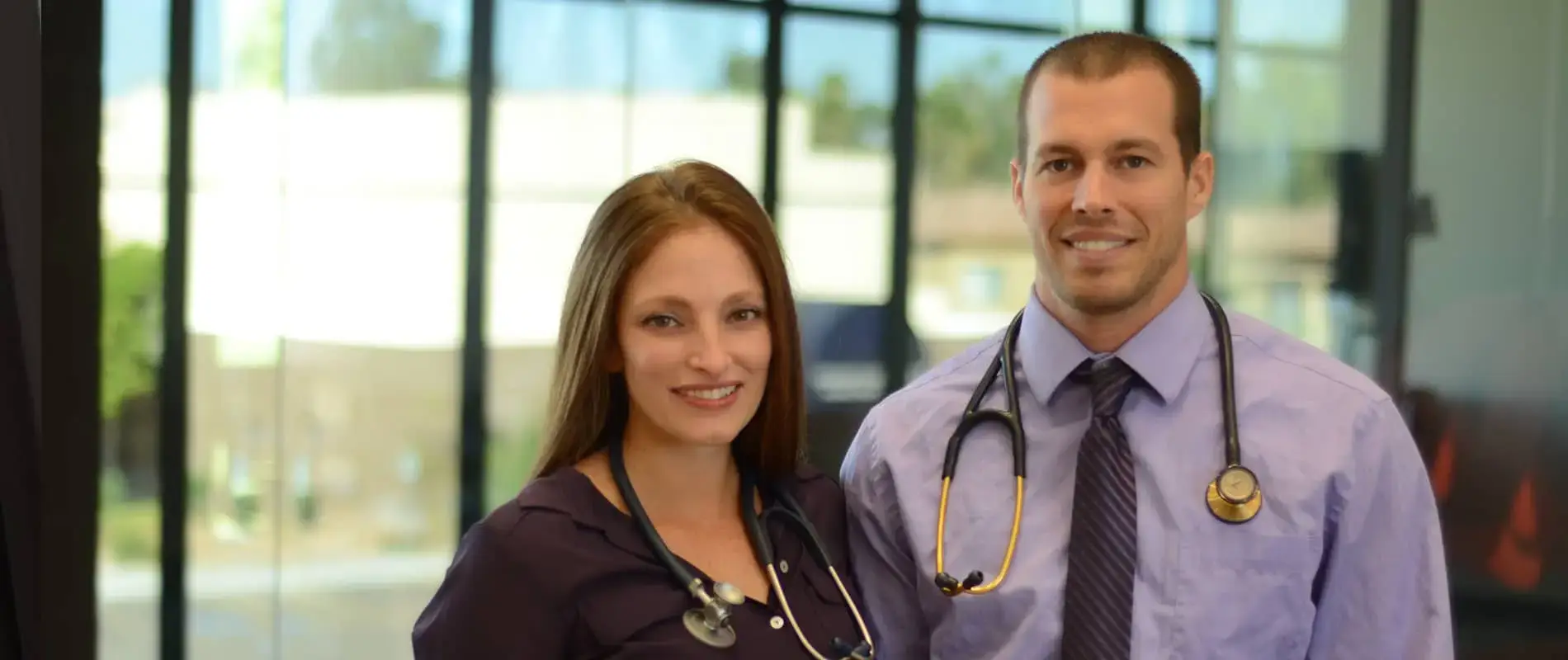
PRX-T33 here is led by Dr. Sarah Stone, ND (AZ Naturopathic License #15-1496), whose focus is aesthetics, regenerative therapies and hormones, alongside Dr. Scott Maymon, ND, MPH (AZ Naturopathic License #15-1497). Thirty-three percent trichloroacetic acid is not a spa product, and how many layers go on, how hard they are worked in, and whether your skin should have it at all are clinical judgments. Most pages selling PRX-T33 online name no provider whatsoever. Both of ours carry Arizona license numbers you can verify.
▶What it is
TCA, without the week indoors.
PRX-T33 uses the same acid as a TCA peel but is formulated so that it doesn't produce a peel. Hydrogen peroxide in the solution lets the trichloroacetic acid reach the dermis without stripping the epidermis on the way through, so the collagen response happens without the shedding phase a traditional TCA peel costs you.
The third ingredient, kojic acid, is included for its effect on pigment. Together the three are worked into cleansed skin by hand, in two to four layers, with firm upward pressure until absorbed. No needle, no device, no numbing. The application itself is the treatment.
Because nothing breaks the surface, the skin barrier stays intact. That is what makes the treatment usable on skin that isn't a candidate for lasers, and on all skin types and tones, including deeper tones, where more aggressive resurfacing carries a real risk of post-inflammatory pigment change.
What it will not do is lift significant laxity or erase deep scarring. It works on the quality of the skin, not its structure. If what bothers you is sagging rather than surface, we will tell you that and point you somewhere more appropriate.
PRX-T33 uses the same acid as a TCA peel but doesn't produce a peel. Hydrogen peroxide in the formula lets the trichloroacetic acid reach the dermis without stripping the outer layer, so the collagen response happens without the week of shedding a traditional TCA peel costs you.
▶Is this you?
Is this you? Reasons people ask about PRX-T33.
- Skin looks dull and tired
- Crepey texture on face or neck
- Early fine lines settling in
- Uneven tone or sun spots
- Older acne scarring
- Stretch marks you've given up on
- Told you're not a laser candidate
- Can't afford a week of peeling
- An event in two weeks
- Darker skin tone and wary of resurfacing
▶The menu
Where PRX-T33 is used.
It isn't only a facial. Because nothing punctures the skin, PRX can be worked into areas that tolerate needling and lasers badly, and two of the options below live on other pages, because they're different treatments.
The face
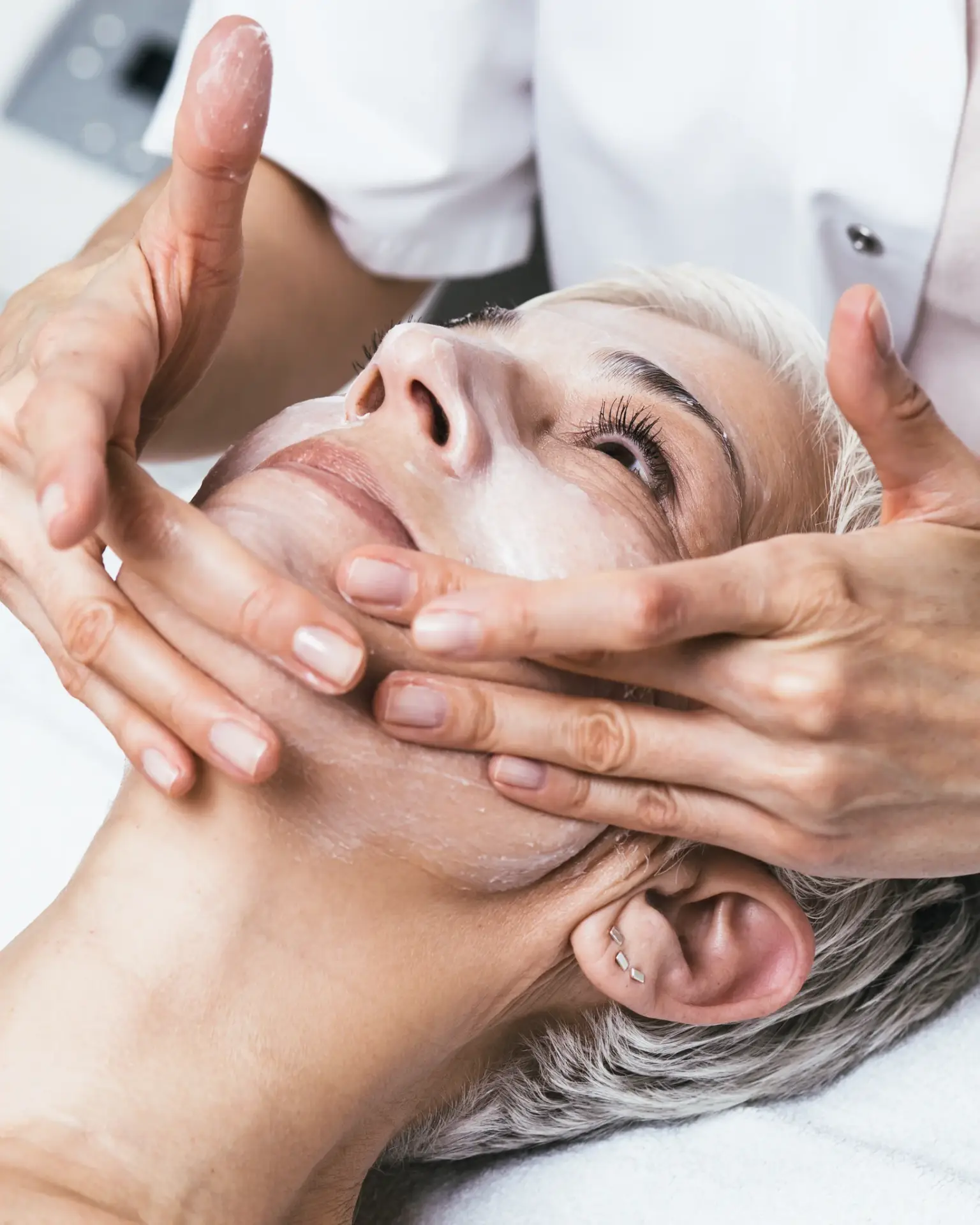
The most common use: dullness, fine lines, uneven tone and the appearance of older acne scarring. Patients often describe an immediate tightness and a change in how light sits on the skin, with the more meaningful change building across a series.
Neck and décolleté
Two areas that age visibly and are often skipped, partly because they tolerate aggressive resurfacing poorly. Crepey texture on the neck and sun damage across the chest are among the more common reasons people book.
Hands
Hands take decades of Arizona sun and rarely get treated. Thinning, crepey skin and pigment change on the backs of the hands respond to the same protocol used on the face.
Stretch marks and body scarring
Used on older stretch marks and some surgical or injury scarring, where the goal is improving the texture and appearance rather than removing anything. Expectations here need to be set individually, results vary considerably.
With microneedling, the Unicorn Facial
A different treatment: PRX applied alongside microneedling, so the deeper and surface layers are addressed in one appointment. That combination lives on our microneedling page, together with the PRP and ozone add-ons.
Not sure this is the one?
If the concern is hydration and dullness rather than texture, see AquaFirme XS. If it's laxity and tightening, see Scarlet RF. Your consultation will point you to the right one rather than the one you happened to read about.
Which areas are appropriate for you is determined by a provider at consultation. Individual results vary and a series is usually needed. These services are not intended to diagnose, treat, prevent, or cure any disease.
▶The comparison
How it differs from a chemical peel.
The short version: a traditional peel works by removing the outer layer, and PRX-T33 works by getting past it without removing it. That single difference drives almost everything else, the downtime, the sun restriction, and who can safely have it.
A traditional TCA peel
Uses the same acid at similar strength, applied to injure the epidermis deliberately. Visible peeling and shedding for roughly five to seven days, real sun restriction afterward, and a meaningful pigment-change risk in deeper skin tones. Effective, and it costs you a week.
A branded medium-depth peel
The VI Peel and its equivalents sit between a light facial peel and a full TCA peel. Less downtime than a deep peel, but still a shedding phase measured in days and still the standard post-peel sun precautions.
PRX-T33
Same class of acid, reformulated so it reaches the dermis without stripping the epidermis. No true peel phase, no photosensitivity, usable on all skin tones and usable year-round. The trade is that the change is more gradual and generally needs a series. Unlike most resurfacing, PRX-T33 is not photosensitizing, which in Arizona is the whole point. Peels and lasers usually mean staying out of the sun afterward, so Valley patients get pushed into winter scheduling. PRX can be done before or after sun exposure, though daily SPF still matters.
▶Why here, specifically
The resurfacing you can have in July.
In the Valley, most skin resurfacing is a winter treatment, and that isn't a scheduling preference, it's a safety instruction. Peels and lasers leave skin photosensitive, so patients get told to stay out of the sun afterward. In Phoenix that effectively rules out a large part of the year, which is why so many people put the treatment off and then never book it.
PRX-T33 is not photosensitizing. It can be done before or after sun exposure, which is why clinics elsewhere describe it as an all-season treatment. In Salt Lake City that's a footnote. In South Tempe it is frequently the deciding factor.
The dryness helps explain the demand too. Chronically low humidity leaves skin reading tighter, rougher and finer-lined than the same skin would in a wetter climate, which is precisely the complaint PRX is aimed at. None of that removes the need for daily SPF; sun protection still matters here more than almost anywhere, and we'll be specific about that at your visit.
▶Honest expectations
What "no downtime" actually means.
Nearly every page selling PRX-T33 online claims zero downtime. One of the top-ranking ones says that and then, further down the same page, tells you flaking may occur and not to pick at it. Here is the version we'd rather you hear first.
No peel phase, but not nothing
There is no shedding phase like a traditional TCA peel. What most people do get is a distinct tightness for a day or two, mild dryness, and sometimes light flaking toward the end of the first week. You can wear makeup and go back to work the same day. It is far less than a peel; it is not zero.
A series, spaced out
There is usually an immediate change in how the skin looks and feels, which is why it gets called a red-carpet treatment. The durable change comes from a series. Published protocols vary, clinics commonly run four sessions, some space them weekly and some monthly, with maintenance afterward. Your physician sets your plan at consultation rather than selling you a fixed package.
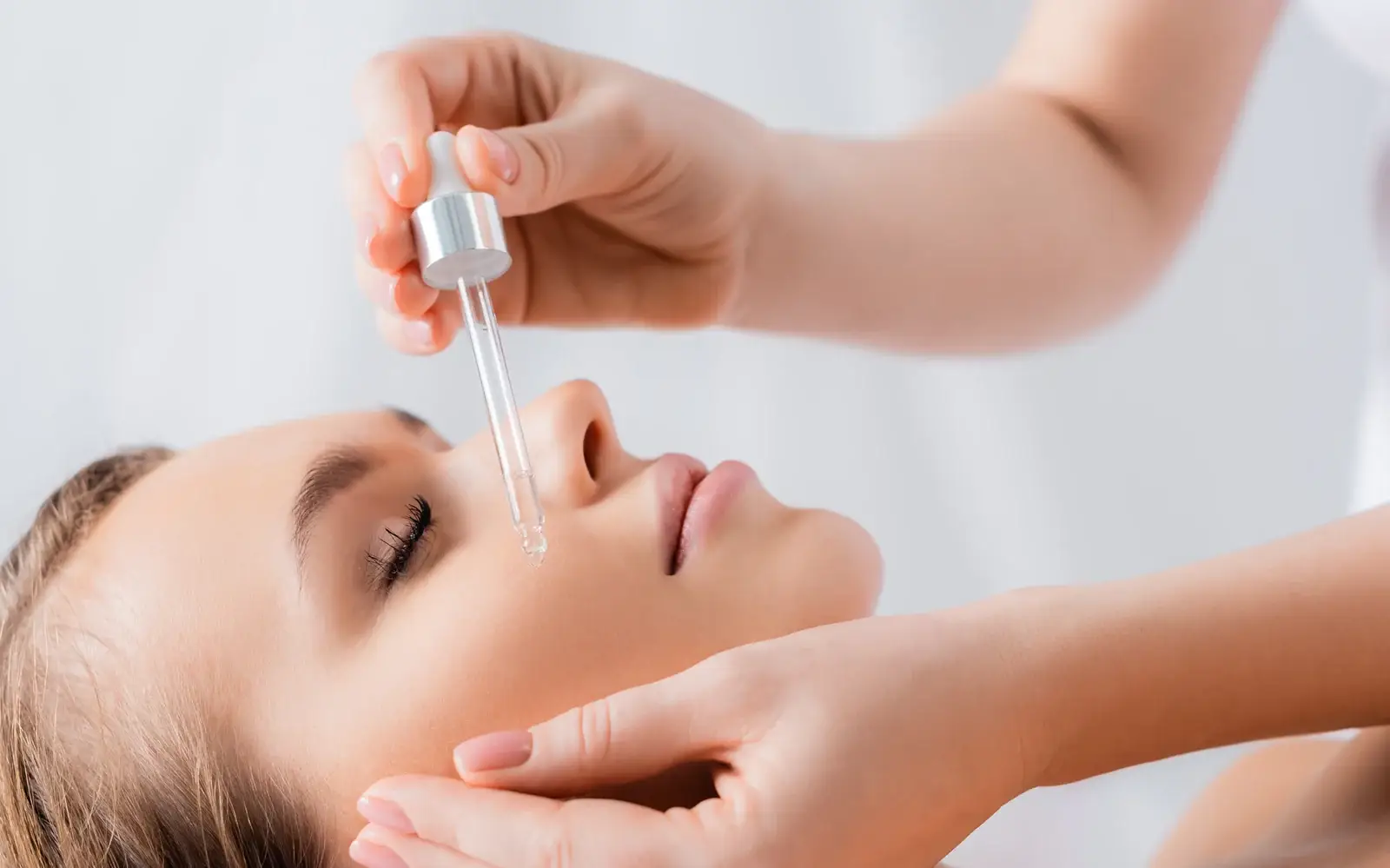
PRX-T33 supports skin texture, tone and the appearance of scarring for appropriate candidates; it is not a substitute for surgical correction and it will not remove scarring or stretch marks entirely.
▶What to expect
Four steps, about half an hour.
01
Why we don't show you before-and-after photos
Every page competing for this treatment leads with a gallery, and we've chosen not to. Before-and-after photographs are among the least reliable things in aesthetics: lighting, angle, expression, makeup and post-processing move the apparent result more than most treatments do, and the images that get published are by definition the ones that went well. Showing you a stranger's best outcome tells you almost nothing about yours. What we can tell you is what the treatment does and doesn't do, which is on this page in plain terms, and what a physician thinks when they look at your actual skin, which is what the consultation is for. If you want to see results, ask us in person what we've seen on skin like yours, and expect an answer with caveats in it. PRX-T33 is not appropriate for everyone. We don't treat over active skin infection, open lesions, or recently sunburned skin, and we avoid it during pregnancy and while nursing. A known sensitivity to any component of the solution rules it out, and active inflammatory conditions in the treatment area, recent isotretinoin use and a history of keloid scarring are all assessed individually. Candidacy is determined by a provider at consultation.
▶Why Pure Body Health
A doctor's office, not a beauty counter.
Almost nobody in the East Valley offers PRX-T33 at all. Of the clinics nationally that do, here is what tends to be different:
Straight about the flaking.
No peel phase, but tightness, dryness and sometimes light flaking for a few days. We'd rather you book knowing that than be surprised on day three. (Rather than: "zero downtime!")
Two named, licensed physicians.
Dr. Sarah Stone, ND and Dr. Scott Maymon, ND, MPH, with Arizona license numbers you can verify. Most PRX pages online name nobody at all. (Rather than: "our skilled aestheticians.")
An honest read on yours.
We don't publish before-and-afters, for the reasons above. You get an assessment of your skin instead, including when the answer is that this isn't your treatment. (Rather than: a gallery of someone else's face.)
Reassessed as you go.
We look at what the first session actually did before committing you to the rest of a series. That conversation is easier when nobody has already paid for six. (Rather than: a package sold up front.)
▶Next step
Start with the free consultation.
Bring your skin and your questions. You'll get a straight read on whether PRX-T33 addresses what's actually bothering you, how many sessions to expect, what the course costs, and whether something else would serve you better. No obligation to book anything.
▶FAQ
PRX-T33, answered.
What is PRX-T33?
PRX-T33 is a topical biorevitalization treatment that combines 33% trichloroacetic acid with hydrogen peroxide and kojic acid, massaged into the skin to prompt collagen production without peeling it. It is applied by hand in two to four layers rather than injected or needled, so nothing punctures the surface. It is used on the face, neck, décolleté, hands and body for dullness, fine lines, uneven tone, and the appearance of acne scarring and stretch marks.
Does PRX-T33 actually make you peel?
No; there is no true peel phase, but "zero downtime" overstates it. Most people notice a distinct tightness for a day or two, some dryness, and occasionally light flaking toward the end of the first week. You can wear makeup and return to work the same day. Compared with a traditional TCA peel, which sheds visibly for roughly five to seven days, the difference is substantial, but it isn't nothing, and pages that promise nothing are overselling it.
How is PRX-T33 different from a chemical peel or a VI Peel?
A traditional peel works by removing the outer layer of skin; PRX-T33 works by getting past it without removing it. Branded medium-depth peels like the VI Peel sit between a light facial peel and a full TCA peel, with a shedding phase measured in days and standard post-peel sun precautions. PRX uses the same class of acid, reformulated so the hydrogen peroxide carries it into the dermis without stripping the epidermis. The trade-off is that the change is more gradual and usually needs a series.
Is PRX-T33 a TCA peel?
It uses TCA at 33%, which is peel-strength, but it is formulated specifically not to behave like a peel. In a conventional TCA peel the acid injures the epidermis deliberately and the skin sheds as it heals. In PRX-T33 the hydrogen peroxide component changes how the acid interacts with the surface, allowing it to reach the deeper layer while leaving the skin barrier intact. Same active ingredient, different mechanism and a very different recovery.
How many PRX-T33 sessions will I need?
A series is standard, and published protocols vary more than you'd expect, clinics commonly run around four sessions, with spacing anywhere from weekly to monthly and maintenance afterward. Rather than pick a number off someone else's website, your physician sets your plan at consultation based on your skin and what you're treating, and we reassess after the first session before committing to the rest.
How long do PRX-T33 results last?
The immediate brightness and tightness fade within days; the collagen-driven change from a full series generally holds for months, with most people returning for maintenance. How long it holds depends heavily on your age, your skin, and your sun exposure, and in Arizona sun exposure is the single biggest variable. Daily SPF does more to protect the result than anything else you can do. Individual results vary and no outcome is guaranteed.
How much does PRX-T33 cost in South Tempe?
Cost depends on the area treated and how many sessions your plan calls for, so the figure that matters is the price of the course rather than a single visit. Treating the face alone and treating face plus neck and décolleté are different appointments. We review the complete plan and its cost at your free consultation, before anything is booked.
Can I have PRX-T33 in the summer, or after being in the sun?
Yes. PRX-T33 is not photosensitizing, which is what makes it unusual among resurfacing treatments and particularly useful in Arizona. Peels and lasers typically leave skin sun-sensitive and get scheduled around the cooler months for that reason. PRX can be performed before or after sun exposure, so it doesn't force you into winter appointments. We still won't treat over actively sunburned skin, and daily broad-spectrum SPF remains essential for protecting the result.
Is PRX-T33 safe for all skin tones?
It is used across all skin types and tones, which is one of its genuine advantages over more aggressive resurfacing. Treatments that injure the epidermis carry a real risk of post-inflammatory hyperpigmentation in deeper skin tones; because PRX leaves the skin barrier intact, that risk profile is different. That is not the same as no risk, and your provider will still assess your history of pigment change and reactivity before treating.
Can PRX-T33 be used on the neck, chest, hands or stretch marks?
Yes, the neck, décolleté, hands and areas of stretch marking or older scarring are all treated with the same solution. Those areas are often skipped precisely because they tolerate needling and lasers poorly, which is where a non-puncturing treatment has an advantage. Expectations on stretch marks and scarring should be set individually; the goal is improving texture and appearance, not removal, and results in those areas vary considerably.
Why don't you show before-and-after photos?
Because they're among the least reliable things in aesthetics, and every page competing for this treatment leads with one. Lighting, angle, expression, makeup and post-processing shift the apparent result more than many treatments do, and published galleries are by definition the cases that went well. A stranger's best outcome tells you very little about your own. We'd rather describe plainly what the treatment does and doesn't do, and have a physician assess your actual skin at a free consultation.
Who shouldn't have PRX-T33?
We don't treat over active skin infection, open lesions or recently sunburned skin, and we avoid it during pregnancy and while nursing. A known sensitivity to any component of the solution rules it out. Active inflammatory conditions in the treatment area, recent isotretinoin use and a history of keloid or hypertrophic scarring are assessed individually. Candidacy is determined by a provider at your consultation, not from a page.
▶Keep exploring
Related care
▶Get started
Book PRX-T33 in South Tempe.
A free consultation with a licensed naturopathic physician, honest answers about what PRX-T33 will and won't do for your skin.
▶Patients we serve across the Valley
Rooted in South Tempe, close to the whole East Valley.
Just off I-10 at Elliot Road on South Priest Drive, an easy drive from Ahwatukee, Chandler, Gilbert, Mesa, Scottsdale, and Phoenix.
- South Tempe~5 min
- Ahwatukee Foothills~12 min
- Chandler~20 min
- Mesa~22 min
- Gilbert~24 min
- Scottsdale~25 min
- Phoenix~25 min
Approximate drive times in typical Valley traffic.